
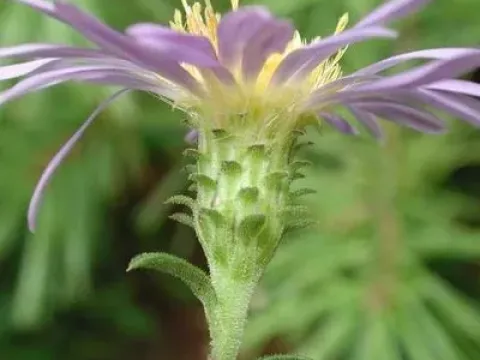
Aster spectabilis
Aster spectabilis
Aster spectabilis is a perennial herbaceous plant belonging to the Asteraceae family. Seeds are typically sown in early spring under cover or directly into the soil once the danger of frost has passed.
What the section contains
Aster spectabilis
To improve germination rates, it is recommended to stratify the seeds for two weeks at temperatures between 2 and 5 degrees Celsius. Sowing should be done in a light, well-draining substrate at a shallow depth to ensure sufficient light exposure.
Seedlings should be pricked out when the first true leaves appear, maintaining a spacing of about 5-7 centimeters between plants. Hardening off the young plants is crucial to ensure their successful transition to the outdoor environment.
When transplanting into the garden, a spacing of 30-40 centimeters is recommended to ensure adequate airflow. Proper spacing is essential for preventing humidity-related issues and ensuring the overall health of the aster population.
The most effective method for long-term propagation is dividing established clumps in early spring or autumn. This process maintains the characteristics of the plant and encourages rapid root establishment in new locations.
This plant thrives in sunny locations with good light exposure. Planting in semi-shade may cause the stems to stretch, which reduces the plant's overall attractiveness and structural stability during the blooming phase.
The ideal soil type is a light, well-draining loam or sandy soil with a neutral to slightly alkaline pH. Heavy clay soils should be amended with organic compost or sand to improve structure and drainage capabilities.
Aster spectabilis is generally hardy but benefits from a layer of mulch, such as peat or fallen leaves, during the winter. This protection helps regulate soil temperature and prevents the root system from drying out excessively.
Watering should be regular but measured, especially during the active growth and budding stages. Overly saturated soil must be avoided to prevent root rot and the growth of fungal pathogens that thrive in wet conditions.
For optimal results, apply a balanced mineral fertilizer twice during the growing season. The first application should be at the start of growth, and the second should be just before the blooming period begins.
The primary use of Aster spectabilis is in landscape design and decorative horticulture. Its late-summer and early-autumn blooms provide essential color when many other garden plants have finished their cycle.
A single healthy plant can produce numerous flowers, making it an excellent candidate for mixed borders and alpine gardens. The productivity of the floral display is directly proportional to the quality of maintenance provided.
Seed harvesting should occur after the flower heads have browned and become brittle. The collected material must be thoroughly dried and cleaned before storage in cool, dark environments to maintain viability for future seasons.
This species is highly valued as a late-season nectar source for pollinators, including bees and butterflies. It integrates well with ornamental grasses and other members of the Aster family, creating visually dynamic plantings.
In commercial nursery production, an 80-90 percent yield of high-quality seedlings is achievable when greenhouse temperatures and photoperiods are carefully managed.
The main threats to this crop include fungal infections like powdery mildew, which often manifest in conditions of high humidity and poor air circulation around the plant's foliage.
Fusarium wilt is a serious threat to the root system, causing rapid plant decline. Preventive measures include using sterile growing media and ensuring excellent drainage to minimize the risk of pathogen buildup.
Pests such as aphids and spider mites frequently target the plant, sucking sap from young leaves and buds. Insecticide application or the use of insecticidal soaps can effectively control these populations.
Slugs and snails can cause significant mechanical damage to the leaves, especially during wet weather. Implementing physical barriers or using pet-safe bait around the garden perimeter can help manage these infestations.
- Practice crop rotation to avoid soil-borne pathogen buildup.
- Clean up all plant debris at the end of the season.
- Thin out crowded plantings to improve light and air penetration.
Flowers intended for bouquets should be cut in the semi-bud stage. This harvesting method maximizes the vase life, typically allowing the flowers to remain fresh and vibrant for 7 to 10 days after cutting.
To extend the blooming duration, gardeners should regularly deadhead faded flowers. This process prevents the plant from expending energy on seed production and promotes the development of additional flower buds.
After the first significant frosts in autumn, the above-ground portions of the plant should be cut back to 5-10 centimeters above the soil level to prepare for winter dormancy.
When propagating, the division of rootstocks is best performed in October. The roots should be cleaned, inspected for damage or disease, and treated with fungicide if necessary before winter storage.
Stored rootstocks must be kept in cool conditions (0 to 3 degrees Celsius) buried in damp sand or sawdust. This ensures the roots remain hydrated and viable until the start of the next spring planting cycle.