
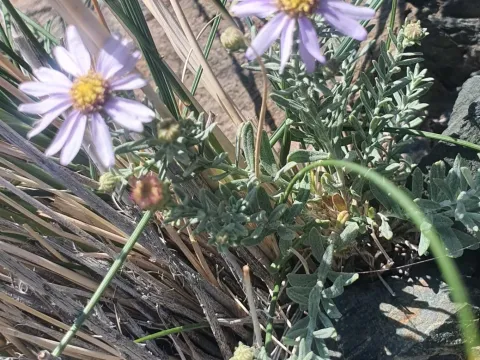
Aster altaicus
Aster altaicus
Aster altaicus, also known as the Altai aster, is a resilient perennial herbaceous plant belonging to the Asteraceae family. Propagation is primarily achieved through seeds, which require specific conditions to break dormancy and ensure high germination rates.
What the section contains
Aster altaicus
Seed sowing should ideally be planned for early spring, either in controlled nursery conditions or directly in the field once the soil has sufficiently thawed. The use of stratification, where seeds are chilled for several weeks, significantly improves the uniformity of sprouting.
When sowing in the field, seeds should be placed at a depth of no more than one centimeter in well-prepared, loose soil. Maintaining consistent but moderate soil moisture is crucial during the first weeks until the seedlings establish their root systems.
Spacing is essential for the healthy development of mature plants, with typical recommendations suggesting an interval of 25–30 centimeters between specimens. This allows for adequate airflow, which is critical for preventing fungal diseases in dense plantations.
Once seedlings reach a stage of 3–4 true leaves, they become quite hardy and capable of transitioning to typical site conditions. Early weeding is necessary to minimize competition from fast-growing weeds that could shade out the young aster plants.
This species is highly adapted to harsh environments, thriving in poor, sandy, or stony soils that would be unsuitable for many other crops. Its natural habitat, characterized by extreme climatic fluctuations, makes it exceptionally durable.
Aster altaicus requires full sun exposure to maintain its compact growth habit and abundant flowering. Partial shade should be avoided as it leads to etiolated, weak stems and significantly reduces the plant's decorative value and overall vigor.
Water management is one of the most critical aspects of its cultivation; the species is highly drought-tolerant and suffers under conditions of excessive moisture. Adequate drainage is essential, as waterlogged soil quickly causes root rot and plant death.
The plant demonstrates remarkable cold hardiness, making it an excellent candidate for regions with severe winters. It requires no specific winter protection, as it is biologically synchronized with freezing temperatures common in its native range.
Soil pH should ideally be neutral or slightly alkaline. While the plant can grow in nutrient-poor conditions, occasional application of light, balanced fertilizer during the early spring growth flush can encourage more prolific flowering.
The primary concern for Aster altaicus health is powdery mildew, a fungal infection that appears when humidity levels are high and airflow is restricted. Proper plant spacing and selecting breezy, open locations serve as the best preventative measures.
Root rot remains the most significant threat to plant survival, almost exclusively caused by over-irrigation or heavy, non-draining soil types. Ensuring that the planting site has excellent percolation is the primary management strategy against this issue.
Pests such as aphids may occasionally congregate on new, tender shoots, especially during periods of stress. While typically not fatal, heavy infestations can reduce growth rates, and mild insecticidal soaps are usually sufficient for effective control.
The presence of soil-borne pathogens can be mitigated through strict crop rotation practices. Avoiding consecutive years of planting the same species in the exact same spot helps reduce the buildup of soil-dwelling fungi and insects.
- Conduct regular field inspections for early signs of leaf discoloration.
- Remove and safely dispose of any infected plant materials immediately.
- Maintain a clean field by clearing debris at the end of the growing season.