
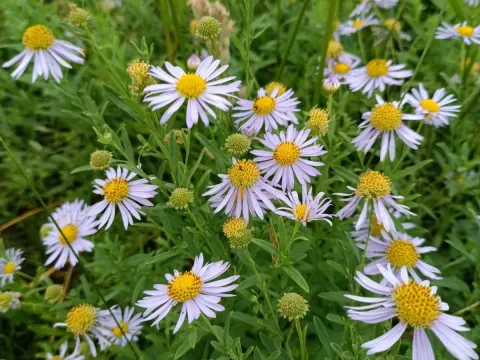
Aster pekinensis
Aster pekinensis
Sowing seeds of Aster pekinensis in temperate climates is typically done in late autumn or early spring using greenhouse conditions for seedlings.
What the section contains
Aster pekinensis
When sowing in March, seeds are distributed over the surface of the substrate without deep burial, as light is essential for their germination.
Seedlings usually emerge within 14–20 days when the temperature is maintained between 18 and 20 degrees Celsius.
Pricking out of the seedlings is performed after the formation of the second pair of true leaves to ensure adequate space for root development.
Transplanting the seedlings to their permanent location in the open ground is carried out at the end of May once the danger of frost has passed.
Aster pekinensis belongs to the Asteraceae family and is a resilient herbaceous perennial highly valued for its low-maintenance growth habits.
The crop prefers sunny or partially shaded sites with well-drained, fertile soil that has a neutral to slightly acidic pH level.
The plant exhibits high cold tolerance and is capable of surviving harsh winters without the need for additional specialized protective cover.
During the active growing season, Aster pekinensis requires moderate but consistent watering, particularly during the flowering phase and dry spells.
To maintain aesthetic appeal and promote the development of new buds, it is recommended to deadhead spent flowers and apply fertilizer regularly.
The primary threats to this plant are fungal diseases, which often manifest in conditions of excessive soil moisture and poor water drainage.
Powdery mildew may affect foliage in crowded planting areas with restricted air circulation, requiring preventive fungicide applications.
Root rot is typically caused by waterlogging, highlighting the necessity of choosing a planting site with excellent drainage capabilities.
Regarding common pests, aphids and spider mites are the most frequent culprits that feed on the sap of young stems and flower buds.
Effective management of these pests involves the use of broad-spectrum insecticides or biological control methods to keep the plants healthy.