
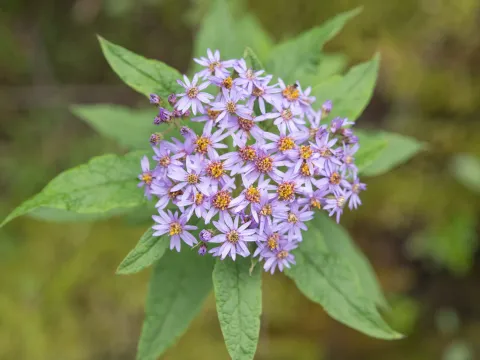
Aster sikkimensis
Aster sikkimensis
Sowing seeds of Aster sikkimensis in temperate climates is typically done in late winter or early spring in greenhouse conditions to produce seedlings. Cold stratification of seeds for 4-6 weeks at low positive temperatures significantly improves germination rates.
What the section contains
Aster sikkimensis
When sowing directly into open ground, the timing shifts to April or May, once the soil has warmed to 10-12 degrees Celsius. The optimal planting depth is no more than 0.5-1 cm, as the seeds are small and require surface contact for successful emergence.
Vegetative propagation by division is performed in spring, at the start of active sap flow, or in autumn after the flowering period concludes. This method preserves cultivar characteristics and allows for faster development of a mature blooming plant.
To ensure uniform germination, the substrate must be kept consistently moist but without waterlogging. Using lightweight peat-based mixes with added perlite creates ideal air exchange for the developing root systems of young plants.
Young seedlings require transplanting when the second true leaf set appears. Planting in a permanent location should follow a spacing of 30x40 cm, ensuring adequate nutrition and airflow between plants to prevent future foliage problems.
Aster sikkimensis belongs to the Asteraceae family and is a perennial herbaceous plant native to the high-altitude regions of the Himalayas. It prefers a cool, humid climate that mirrors its natural alpine mountain habitat.
For successful growth, this crop requires a site with good light exposure; however, during peak summer heat, the plant benefits from partial shade to prevent leaf scorching. In conditions of high solar radiation, maintaining substrate moisture is vital.
Soil for this species must be well-draining, moderately fertile, and have a neutral or slightly acidic pH. Heavy clay soils must be improved with sand or compost to prevent root rot and moisture saturation.
The plant exhibits high frost resistance typical of alpine flora, allowing it to overwinter in open ground without significant winter protection in most regions. However, ensuring proper runoff of snowmelt in early spring is critical.
During the growing season, the aster requires moderate but regular irrigation. Drought stress can lead to premature leaf yellowing and loss of floral quality, making organic mulch a crucial horticultural practice to maintain soil humidity.
The main threats to Aster sikkimensis are fungal diseases that thrive in conditions of high humidity and poor airflow. Powdery mildew often attacks leaves during the summer, appearing as a characteristic white, powdery coating.
Root rot, caused by various soil pathogens, represents the greatest risk when drainage is poor. At the first sign of wilting, irrigation should be suspended and the soil treated with appropriate fungicides to stop the spread.
Pests such as aphids and spider mites can colonize the underside of leaves, extracting vital nutrients and weakening the plant's overall vigor. Regular inspections and the use of biological or chemical insecticides are recommended for management.
Slugs and snails can cause significant damage to young shoots early in the season, particularly during wet weather. Using physical barriers or bait helps to reduce the incidence of damage and protect the young growth.
- Preventive application of copper-based fungicides in spring.
- Prompt removal of dead or diseased foliage to reduce pathogen spread.
- Proper plant spacing to maintain optimal airflow and minimize humidity.