
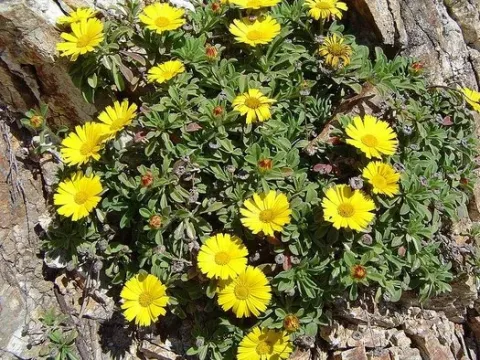
Asteriscus
Asteriscus
Sowing Asteriscus seeds for transplants is typically carried out in March to ensure the development of a robust root system before seasonal outdoor planting.
What the section contains

Asteriscus
Seeds are sown in a light, well-draining substrate, covered lightly with soil, and kept at temperatures around 20–22 degrees Celsius for optimal germination.
Seedlings usually emerge within 10 to 14 days, and they require high-intensity lighting immediately after emergence to prevent the stems from becoming leggy.
Pricking out is performed at the stage of the first two true leaves, transferring seedlings into individual pots to facilitate root development.
Transplanting to the permanent location should only occur once the risk of spring frost has completely passed and stable warm temperatures are established.
Asteriscus, a member of the Asteraceae family, is a sun-loving plant that thrives in fully exposed areas receiving maximum direct sunlight throughout the day.
The ideal soil for this crop consists of well-draining sandy or rocky mixtures, as it is highly susceptible to root damage caused by waterlogged soil.
This plant exhibits strong drought tolerance, making it an excellent candidate for regions with arid, Mediterranean-like climates and limited rainfall.
Agricultural management requires a disciplined approach to irrigation; the soil should be allowed to dry significantly between watering cycles to prevent rot.
Fertilization should be moderate, focusing on mineral complexes with low nitrogen content to promote flowering rather than excessive foliage growth.
Fungal pathogens represent the primary threat to Asteriscus, especially in conditions characterized by high humidity or poor air circulation around the plants.
Powdery mildew often manifests during periods of rapid temperature fluctuations, requiring the use of systemic fungicides to maintain plant health.
Root rot is a common issue resulting from over-irrigation, highlighting the critical need for well-structured drainage in the planting area.
Pests such as aphids and spider mites can colonize plants during hot, dry spells, causing physiological stress and reducing overall floral performance.
Integrated pest management, including regular visual inspections and timely application of insecticides, is essential for protecting the crop's vitality.