
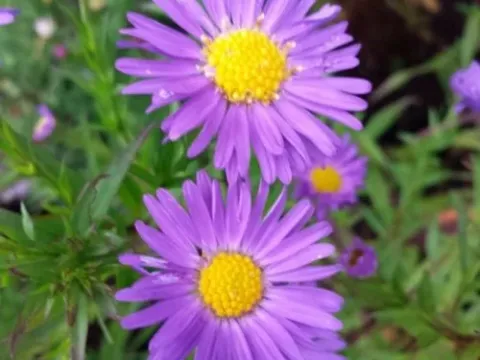
Aster trinervius
Aster trinervius
The seeds of Aster trinervius are typically sown in early spring as soon as the soil is workable, ensuring a steady temperature for germination.
What the section contains
Aster trinervius
Direct sowing into prepared beds is highly effective, but starting seeds indoors in late winter allows for a longer growing season and earlier blooms.
It is crucial to sow the seeds shallowly, covering them with a very thin layer of soil, as they require light to germinate successfully.
Transplanting seedlings should be handled carefully to avoid damaging the delicate root system, spacing plants according to their mature size.
Proper spacing is vital for air circulation, which prevents the development of fungal infections in the dense foliage of the aster plant.
Aster trinervius, belonging to the Asteraceae family, is a versatile perennial that thrives in temperate climates with well-defined seasons.
The plant demands well-drained, fertile soil, ideally with a slightly acidic to neutral pH level to optimize nutrient uptake.
While tolerant of various conditions, it performs best in full sun, which promotes strong stems and vibrant flower production.
Maintenance includes regular weeding and mulching to conserve soil moisture and suppress the growth of competitive invasive weeds.
Organic fertilization in early spring provides the necessary nutrients for the plant to recover after the winter dormant period.
Powdery mildew is the most frequent fungal issue, especially in seasons with high humidity and poor ventilation between individual plants.
Fusarium wilt can be devastating to established plants, causing the roots to rot and preventing water from reaching the upper foliage.
Pests such as aphids and spider mites are common threats that can stunt growth if infestations are not identified and treated early.
Good cultural practices, such as removing dead plant debris in the fall, significantly reduce the pressure of pests and diseases.
Using integrated pest management strategies helps maintain a healthy balance in the garden while minimizing the need for chemical interventions.