
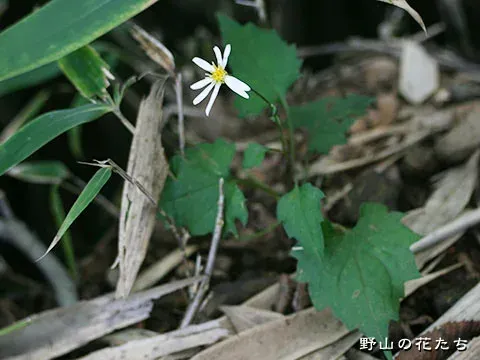
Aster dimorphophyllus
Aster dimorphophyllus
Aster dimorphophyllus is a distinctive perennial plant belonging to the Asteraceae family. It is recognized for its unique leaf morphology, which makes it a species of interest for botanical collections and specialized landscaping projects.
What the section contains
Aster dimorphophyllus
The plant originates from mountain habitats in East Asia, which dictates its preference for cool, temperate climates. It exhibits high cold tolerance, making it suitable for regions with clear seasonal transitions.
Cultivation requires well-drained, nutrient-rich soil with a slightly acidic to neutral pH. It is crucial to avoid heavy soils that retain excessive water, as the species is highly susceptible to root zone hypoxia and subsequent rot.
Light intensity is a critical growth factor; Aster dimorphophyllus thrives best in areas with full sun exposure. Adequate spacing is necessary to ensure proper air circulation around each plant, reducing the risk of fungal proliferation.
Good agricultural practice involves incorporating compost into the planting site to enhance structure and moisture retention, coupled with a balanced fertilization schedule during the early spring growth phase.
Powdery mildew represents the most significant fungal threat to the health of Aster dimorphophyllus. High humidity combined with poor air circulation often triggers the spread of mycelium across the foliage.
Root rot, driven by stagnant water, is a major cause of plant mortality. Consistent monitoring of soil moisture levels is the most effective preventative measure against these systemic issues.
Aphids and spider mites are the primary pests that affect this species, causing chlorosis and deformation of the leaves. Regular inspection of the undersides of leaves is essential to detect early infestations.
Gastropods, such as slugs and snails, can cause considerable damage to seedlings or young shoots. Physical barriers and organic repellent methods are effective in mitigating their presence in the garden.
Effective pest management should rely on a combination of cultural practices, such as pruning affected parts, and the application of suitable biopesticides to ensure the longevity of the plant specimens.