
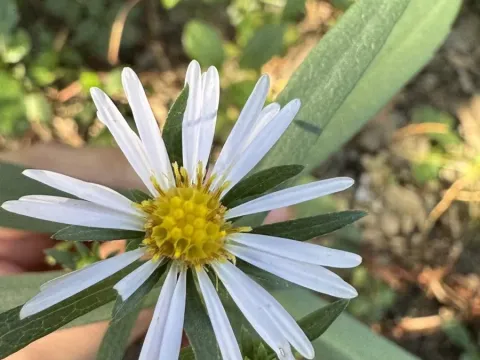
Aster laetevirens
Aster laetevirens
Aster laetevirens is a perennial herbaceous plant belonging to the Asteraceae family, valued in professional horticulture for its robust structure and long-lasting late-season blooms. It is well-adapted to various climates, making it a popular choice for diverse landscaping projects.
What the section contains
Aster laetevirens
Native to temperate regions, this species thrives in environments where seasonal variations are moderate. Successful cultivation requires full sun exposure to promote healthy foliage development and encourage the plant's natural tendency to produce abundant, vibrant flower heads.
Regarding soil requirements, Aster laetevirens prefers fertile, well-draining soils with a neutral pH. While the plant can adapt to different textures, loam or sandy-loam soils are ideal for preventing moisture stagnation around the root crown, which is essential for long-term survival.
Standard agronomic practices for this crop include consistent irrigation during the peak growth season to maintain soil moisture levels. However, it is vital to avoid waterlogging, as excessive humidity at the roots can lead to physiological stress and reduced floral output.
Fertilization regimes should prioritize balanced nutrient inputs, starting with nitrogenous fertilizers in the spring to boost vegetative growth. Subsequently, mid-season applications of phosphorus and potassium support root development and enhance the quality of the blossoms.
The primary pathological threats to Aster laetevirens are fungal pathogens, specifically Fusarium wilt and powdery mildew. Fusarium wilt is particularly destructive, as it affects the vascular system, necessitating the use of disease-free planting material and careful site selection.
Powdery mildew appears as a white, dusty layer on the leaves, which hinders photosynthesis and aesthetics. Managing this disease requires regular monitoring, the removal of infected foliage, and the application of systemic fungicides when infection pressure is high.
Insect pests, including spider mites and leaf nematodes, represent significant biological threats. Spider mites tend to proliferate in dry, hot conditions, puncturing leaf tissues and causing chlorosis, which significantly weakens the plants if left untreated.
Leaf nematodes pose a hidden risk, often residing within the plant tissues, leading to stunted growth and irregular leaf morphology. Strict sanitation practices, such as destroying infested crop residues, are crucial for controlling these microscopic pests.
Effective management integrates preventive cultural practices with chemical control. By optimizing plant spacing, ensuring proper airflow, and employing timely treatments, growers can maximize the plant's health and minimize economic losses due to pests and diseases.