
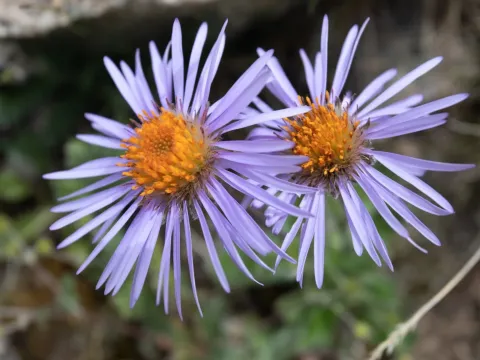
Aster flaccidus
Aster flaccidus
Aster flaccidus is a member of the Asteraceae family, native to the mountainous regions of Central Asia. This herbaceous perennial is well-adapted to high-altitude environments, thriving in harsh climate conditions.
What the section contains
Aster flaccidus
The plant requires full sun exposure and performs best in well-draining, stony, or sandy soils. Soil aeration is vital to mimic the alpine conditions where this species naturally occurs.
Botanically, it features basal leaves forming a tight rosette, topped by solitary or few-flowered stems. The inflorescences are large, vibrant capitula that typically bloom in the late summer months.
Agricultural and horticultural success depends on maintaining a dry root zone during the dormant season. The species is highly valued for rock gardens and alpine beds due to its compact habit.
Maintenance is relatively straightforward, as the plant does not require heavy fertilization. It is an excellent choice for xeriscaping or areas where low-maintenance perennial flowers are desired.
Powdery mildew is the most significant fungal threat, especially in humid conditions with poor air circulation. Proper plant spacing is recommended to prevent the rapid spread of spores.
Root rot occurs if the drainage is insufficient, often leading to total plant failure during wet seasons. Improving soil structure with grit or gravel is the primary preventive measure against fungal pathogens.
Aphids frequently attack the flower buds and tender shoots, draining the plant's resources. Manual removal or appropriate biological control agents are effective for small-scale garden settings.
Spider mites may colonize the foliage during hot, arid periods, causing leaves to yellow and wilt. Regular monitoring and irrigation can help maintain plant vigor and prevent severe outbreaks.
Slugs and snails can consume young leaves, particularly in the spring. Protective barriers or organic bait can be used to mitigate damage during the early stages of the growing season.