
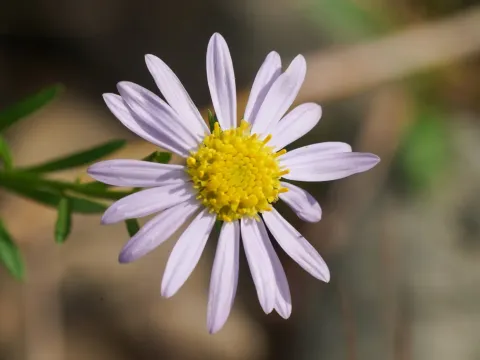
Aster kantoensis
Aster kantoensis
Aster kantoensis is a unique perennial species belonging to the Asteraceae family, noted for its specific growth requirements and development cycles. Successful cultivation begins with the correct timing of seed sowing, typically scheduled during early spring as ground temperatures rise.
What the section contains
Aster kantoensis
Pre-treatment of seeds, such as cold stratification, is often recommended to break dormancy and ensure uniform germination. This initial step is critical for establishing a robust crop density and ensuring the subsequent vitality of the young seedlings in the field.
When sowing in open ground, seeds should be placed in well-prepared, friable soil at a shallow depth of approximately 0.5 cm. Maintaining consistent soil moisture is essential during the emergence phase to prevent the delicate seeds from drying out prematurely.
Transplanting seedlings from indoor trays to the field is a preferred method for many growers, as it allows for better control over the environment during the most vulnerable stage of plant development. This approach facilitates a healthier and more uniform crop structure.
Proper spacing is a vital component of the sowing process, ensuring that each plant has sufficient access to nutrients and light. Crowded planting can increase the risk of disease, whereas adequate spacing promotes better air circulation around the foliage.
The culture thrives in fertile, well-draining soils with a neutral or slightly acidic pH balance. Good soil structure is paramount, as it prevents root suffocation and promotes the uptake of essential macro- and micronutrients for vigorous growth.
Aster kantoensis prefers sunny locations but can tolerate partial shade, particularly in climates where summers are characterized by intense heat and drying winds. Adequate light exposure is necessary to stimulate the formation of high-quality floral buds.
Consistent watering is required during the peak growing season, though it is imperative to avoid waterlogging the soil. Using mulch around the base of the plant helps maintain soil temperature and moisture, providing a stable environment for the roots.
Fertilization regimes should be tailored to the plant's needs throughout the season. Early applications of nitrogen encourage lush leaf growth, while later applications of phosphorus and potassium are essential for robust blooming and overall plant strength.
Regular maintenance, including weeding and soil aeration, is necessary to keep the planting zone free from competition. By minimizing the presence of invasive weeds, the grower ensures that the Aster kantoensis has maximum access to available resources.
Fungal diseases, including powdery mildew and various forms of leaf spot, represent the primary health threats to Aster kantoensis. These issues are often exacerbated by high humidity and stagnant air, making proper spacing a key preventative measure.
Root rot is a significant danger caused by overwatering or poor drainage systems in the growing area. If symptoms appear, immediate adjustments to the irrigation schedule and the potential application of fungicides are required to save the crop.
Pests such as aphids and spider mites can cause considerable damage by feeding on young plant tissues. Regular monitoring of the foliage and stems allows for the quick implementation of control measures before an infestation becomes widespread.
Slugs and snails can pose a threat to young seedlings and tender shoots during cool, wet weather. Utilizing physical barriers or bait can effectively protect the plants during these critical periods of development.
Maintaining high hygiene standards by clearing away plant debris at the end of the season is a fundamental practice in preventing the overwintering of pathogens. By fostering a clean environment, the grower significantly reduces the pressure from pests and diseases.