
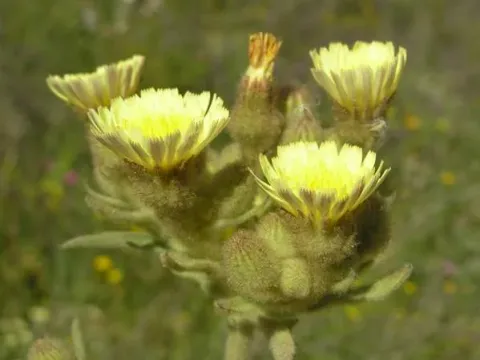
Andryala
Andryala
Andryala, a member of the Asteraceae family, is primarily grown as an ornamental plant. Sowing seeds directly into the open ground is best done in spring, typically in April or early May, once the soil has warmed up sufficiently.
What the section contains
 Andryala arenaria
Andryala arenaria
Andryala arenaria
 Andryala crithmifolia
Andryala crithmifolia
Andryala crithmifolia
 Andryala glandulosa
Andryala glandulosa
Andryala glandulosa
 Andryala integrifolia
Andryala integrifolia
Andryala integrifolia
 Andryala laevitomentosa
Andryala laevitomentosa
Andryala laevitomentosa
 Andryala laxiflora
Andryala laxiflora
Andryala laxiflora
 Andryala ragusina
Andryala rothia
Andryala rothia
Andryala ragusina
Andryala ragusina
Andryala rothia
Andryala rothia
Andryala
For earlier flowering, the seedling method is also possible. Seeds are sown in containers during March, providing them with adequate light and moderate moisture until they are ready to be transplanted to their permanent location.
Seed planting depth should be minimal, as the seeds require light to germinate properly. The surface of the substrate is only lightly covered with sand or vermiculite to help retain moisture.
It is crucial to maintain proper spacing between plants during transplanting, ideally around 25–30 centimeters. This provides necessary air circulation and reduces the overall risk of fungal disease development.
The optimal temperature for Andryala seed germination is between +18 and +22 degrees Celsius. Seedlings usually emerge within 14–20 days under conditions of proper soil moisture.
As a typical Mediterranean plant, Andryala is quite demanding in terms of light. It requires a sunny location with direct exposure, as shade can cause the plant to lose its decorative value and become leggy.
The plant has low requirements regarding soil composition, preferring light, sandy, or loamy soils with a neutral or slightly alkaline pH. Heavy clay soils are detrimental to the plant due to moisture retention.
The crop possesses a high degree of drought tolerance. Watering should be moderate and regular only during the active growth phase; afterwards, the plant is well-equipped to handle long periods without rainfall.
Good drainage is an essential requirement for this plant. Stagnant water around the roots is a primary cause of adult plant mortality, making cultivation difficult in areas with a high water table.
Andryala thrives better in nutrient-poor, well-drained soils than in excessively fertilized ones. Excess nitrogen fertilization leads to weak tissue development and reduced resistance to environmental stressors.
The greatest threat to Andryala is waterlogged soil, which promotes the development of root rot. If signs of wilting appear, watering should be stopped immediately, and the soil should be loosened.
Powdery mildew may affect the leaves during periods of high humidity and poor ventilation. To prevent this, it is recommended to avoid overcrowded planting and direct watering of the foliage.
Pests such as aphids may inhabit the flower stalks during hot summer months. In cases of severe infestation, the use of systemic insecticides compliant with organic farming standards is recommended.
Slugs and snails pose a risk to young seedlings in the spring. Using protective barriers or granulated bait can help prevent the destruction of young, vulnerable plants.
Regular inspection of the planting site for spots or signs of insect activity allows for the containment of outbreaks at an early stage, preventing the spread of diseases across the entire plot.
Harvesting Andryala as an ornamental plant consists of removing faded flower heads to stimulate secondary blooming. This practice helps extend the growing season and maintain the aesthetic appearance of the garden bed.
If the goal of cultivation is seed collection, harvest the flower heads during dry weather when the seed pods begin to dry and turn brown. Cut stalks should be air-dried in a well-ventilated room.
It is important to harvest before the pods crack open completely to avoid unwanted self-seeding. Seeds should be cleaned of debris and stored in paper bags in a dry location.
Before the onset of winter, the aerial parts of perennial Andryala species can be lightly trimmed, leaving a leaf rosette to protect the root system from extreme freezing temperatures.
After the seed harvest, general garden sanitation is necessary to remove plant debris, thereby eliminating potential overwintering sites for pathogens and pests in the soil.