
Andryala arenaria
Andryala arenaria
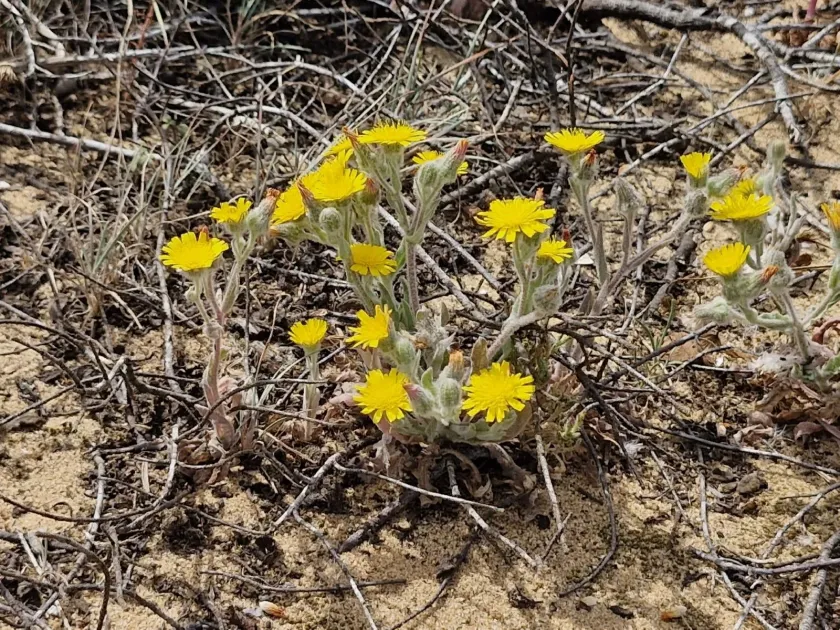
Description
Sowing dates
Andryala arenaria is a herbaceous perennial belonging to the Asteraceae family. In its natural habitat, the plant propagates through seeds, typically scattering them during the late growing season to ensure germination in the following year.
When cultivating this species, seeds should be sown in a well-draining, sandy substrate that mimics its native environment. Sowing is best performed in early spring once the risk of severe frost has subsided.
Since the seeds require light to germinate, they must be sown shallowly and only lightly pressed into the soil. Maintaining a proper distance between rows is essential to promote airflow and prevent moisture accumulation.
Initial watering should be gentle to avoid displacing the small seeds. Providing a stable, moderate temperature between +18°C and +22°C significantly improves the success rate of germination.
Once seedlings develop their first true leaves, they become more robust and can be transplanted to their final location. Careful handling of the delicate root system at this stage is crucial for successful establishment.
Growing requirements
This species is highly adapted to arid conditions and requires full sun exposure to maintain its compact, healthy growth. It thrives best in poor, sandy, or stony soils with a neutral or slightly acidic pH level.
As a true xerophyte, Andryala arenaria is remarkably drought-tolerant, meaning it requires minimal watering once established. Overwatering is the most common mistake that leads to root decay.
Excellent soil drainage is non-negotiable for the successful cultivation of this plant. In areas with heavier soil types, adding coarse sand or gravel to the planting hole is highly recommended to improve water movement.
The plant does not require high levels of nutrition, as it has adapted to low-fertility soils. Excessive fertilization can lead to weak, leggy growth that is more susceptible to environmental stress.
Wind exposure is generally beneficial for this plant, as it helps keep the foliage dry and prevents the onset of fungal issues. It is best to avoid planting in areas where water collects during rainy spells.
Main diseases and pests
Fungal infections, particularly root rot, represent the most significant threat to Andryala arenaria. These issues are almost exclusively linked to poor drainage or excessive soil moisture levels during humid periods.
Aphids can occasionally colonize the plant, especially near the flower buds, where they feed on nutrient-rich sap. Regular monitoring allows for quick intervention before the infestation causes significant damage.
Powdery mildew may occur if the plant is grown in cramped conditions with low airflow. Proper spacing between individual plants is the best preventative measure against this common fungal pathogen.
Slugs and snails can pose a danger to young or weakened plants, consuming the foliage. Placing physical barriers or using non-toxic baits can effectively protect the plants during their early development.
Maintaining a clean growing environment by removing decaying plant matter helps reduce the risk of disease spread. Overall, the plant is quite resilient when provided with dry, sunny conditions.