
Andryala rothia
Andryala rothia
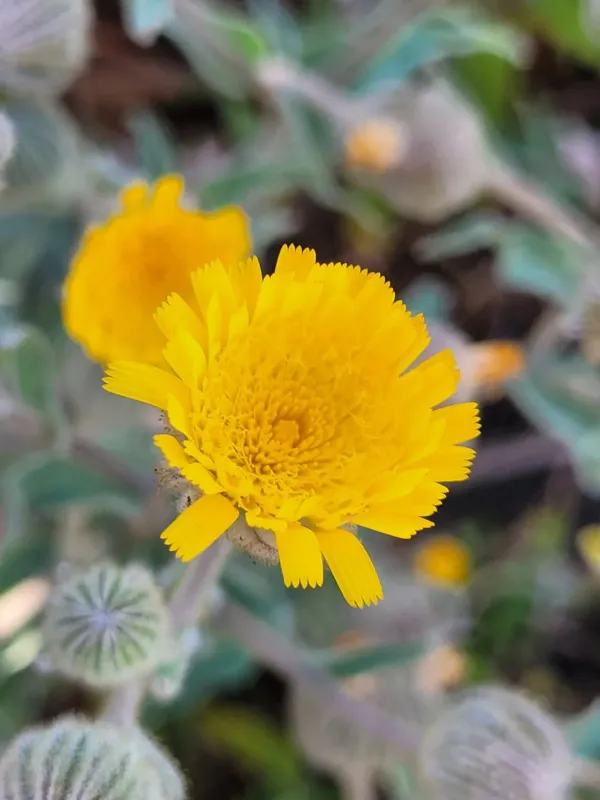
Description
Growing requirements
Andryala rothia is a perennial herb belonging to the Asteraceae family. This species is native to the Mediterranean region and is highly regarded for its unique appearance and adaptability to arid environments.
The plant requires well-drained soil, preferably of a rocky or sandy composition. It thrives in locations with full sun exposure, which is essential for maintaining the plant's characteristic silvery foliage and overall structural integrity.
Climatic requirements are focused on mild temperatures and dry conditions. While it is hardy in many respects, it does not tolerate waterlogged soil, which makes drainage the primary factor for successful outdoor cultivation.
Agricultural practices for this culture are simple: it requires very little fertilization and thrives in nutrient-poor substrates. Over-fertilizing can lead to leggy growth and reduced resistance to environmental stressors.
The main use of Andryala rothia is ornamental landscaping. Its drought-resistant properties make it an excellent choice for rock gardens, gravel gardens, and xeriscaping projects where water conservation is a priority.
Main diseases and pests
The primary health risk for Andryala rothia is root rot, induced by excessive moisture in the root zone. Ensuring excellent soil porosity is the most effective preventative measure against fungal pathogens.
Pests such as aphids and spider mites can occasionally affect the plant during hot, dry spells. Regular monitoring and the application of mild horticultural oils or soaps are recommended to keep infestations under control.