
Andryala ragusina
Andryala ragusina
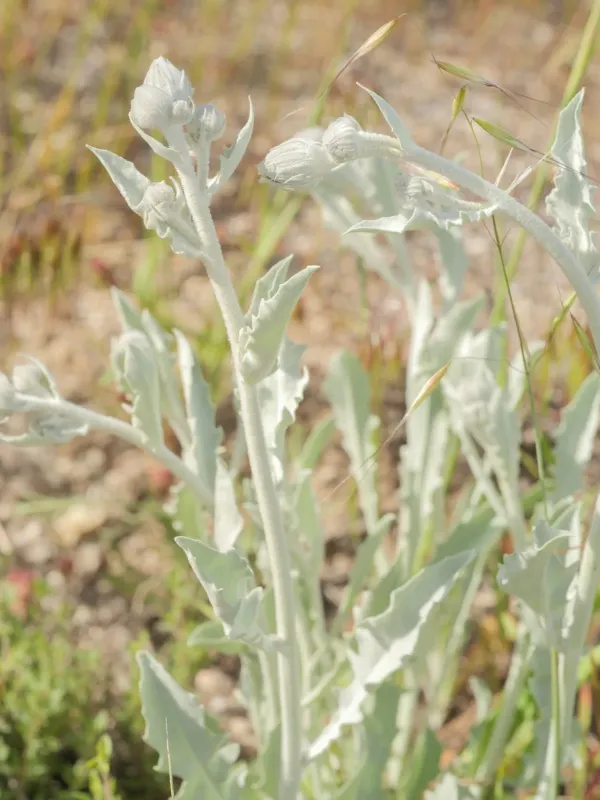
Description
Sowing dates
The sowing of Andryala ragusina is typically carried out in spring when the soil has warmed up sufficiently to support active seed germination. April or early May is considered the optimal time, allowing the plant to establish roots before the summer heat arrives.
The seeds have good germination rates but require preliminary stratification to boost vitality. It is recommended to sow them at a depth of no more than 0.5–1 cm, as the seeds are small and need light exposure to develop sprouts properly.
In commercial or nursery settings, a seedling method is practiced. This allows for better control of planting density and ensures an optimal spacing of about 30–40 cm between bushes.
For direct sowing in open ground, a well-drained bed must be prepared. Shoots usually emerge within 14–20 days, provided the substrate maintains moderate moisture levels.
It is important to note that the plant does not tolerate transplantation well in its mature stage due to its taproot system. Therefore, seedlings should be grown in individual cassettes or peat pots.
Growing requirements
Andryala ragusina belongs to the Asteraceae family and is a typical representative of Mediterranean flora. The plant prefers well-lit areas with direct sunlight, as insufficient light causes the bush to lose its characteristic woolly pubescence and compactness.
The plant has moderate requirements regarding soil types. Ideal substrates are light, sandy, or loamy soils with a neutral or slightly alkaline pH. Waterlogging must be strictly avoided, as it leads to root decay.
The climatic preferences correspond to zones with mild winters. The plant has a moderate degree of frost resistance and requires protection in regions with harsh, snowless winters to prevent the freezing of the basal rosette.
The culture demonstrates high drought tolerance due to the thick tomentose covering on its leaves, which reduces moisture evaporation. This makes it a promising crop for areas with limited water availability.
Gravel or small stone mulching is recommended as an agricultural technique. This not only simulates the natural habitat of the plant but also prevents the leaves from coming into direct contact with wet soil.
Main diseases and pests
The primary threats to Andryala are fungal diseases caused by excessive air and soil humidity. Powdery mildew can affect leaf blades during prolonged rainy periods, necessitating the use of preventative fungicides.
Under waterlogged conditions, the root system becomes vulnerable to phytophthora and various root rots. Proper drainage and irrigation control are critical for preventing these pathogens.
Among pests, aphids and spider mites are frequently observed, thriving during hot, dry summers. They feed on plant sap from young shoots, weakening the culture's overall immunity.
Mollusks, such as slugs and snails, can damage tender basal leaves during the spring. Effective control measures include the use of physical barriers or granular bait.
Regular sanitary cleaning is recommended to maintain crop health. Removing dead foliage reduces the likelihood of mold development and improves air circulation around the bush.