
Andryala laevitomentosa
Andryala laevitomentosa
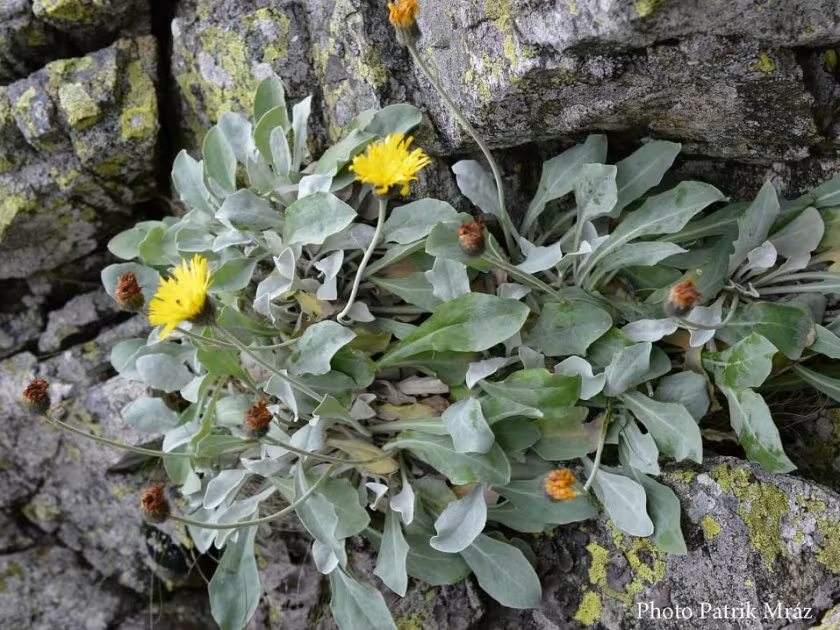
Description
Growing requirements
Andryala laevitomentosa is a notable member of the Asteraceae family, characterized by its specialized adaptation to arid environments. This plant displays significant resilience in its native Mediterranean habitats, where it thrives on rocky slopes.
When cultivating this species, soil selection is paramount. It requires well-draining, sandy or gravelly soil profiles that prevent moisture accumulation around the crown. Heavy clay soils are unsuitable and will likely lead to rapid plant decay.
Environmental requirements include a high intensity of sunlight, as the plant is essentially heliophilic. Exposure to full sun is critical to maintain the plant's structural integrity and to prevent etiolation during its vegetative growth phase.
Agricultural management should prioritize minimal soil disturbance. Since the species is accustomed to nutrient-poor substrates, excessive fertilization is unnecessary and can actually harm the plant's natural growth cycle.
Watering strategies must be conservative. Supplemental irrigation is only necessary during prolonged drought conditions to ensure the survival of young, recently established seedlings before their root systems reach maturity.
Main diseases and pests
The primary threats to Andryala laevitomentosa populations are fungal pathogens associated with waterlogged conditions. Phytophthora and Pythium species represent the most severe risks to the plant's root health.
Pest management should focus on aphids and spider mites, which can proliferate during hot, stagnant weather. Early detection via scouting is the most effective approach for maintaining crop health without overuse of synthetic pesticides.
Foliar diseases such as powdery mildew can become a concern if plant spacing is insufficient, hindering airflow. Improving spacing and ensuring adequate sunlight penetration significantly reduces the risk of such outbreaks.
Gastropods, such as slugs and snails, can cause considerable mechanical damage during the early stages of development. Utilizing physical barriers such as copper tape or crushed eggshells can provide effective protection in small-scale plantings.
Maintaining a balanced ecosystem through crop rotation and the exclusion of high-nitrogen input is essential for long-term health and preventing the buildup of host-specific diseases in the substrate.