
Anisocoma
Anisocoma
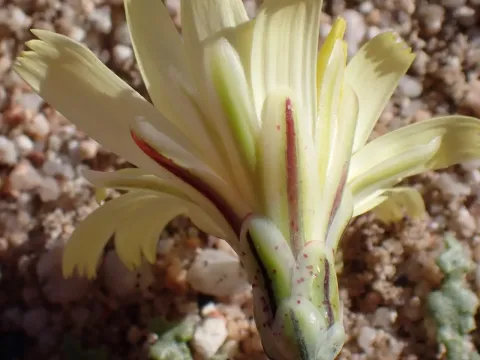
Anisocoma is a monotypic genus of flowering plants in the daisy family, Asteraceae. The sole species, Anisocoma acaulis, is native to the southwestern United States, primarily inhabiting the arid regions and sandy deserts of California and Nevada.
What the section contains

Anisocoma
The plant is highly specialized for desert environments, thriving in loose, well-draining sandy or gravelly soils. It possesses physiological adaptations that allow it to maximize growth during short periods of seasonal rainfall typical of the desert climate.
Botanically, it is recognized by its basal rosette of deeply lobed leaves and singular, showy flower heads that appear in the spring. These features ensure successful pollination and seed production within the narrow window of favorable weather conditions.
Cultivation requirements are strict, as the plant necessitates full sun exposure and extremely low humidity levels. It cannot tolerate waterlogged soils or high moisture, which makes its maintenance in non-native environments exceptionally challenging for horticulturists.
Due to its niche habitat, Anisocoma is not utilized as a standard agricultural crop. Instead, its significance lies within ecological research and native plant conservation, as it serves as a key indicator of health in specific desert ecosystems.