


Reference · Crops
Saw-wort
Serratula L.
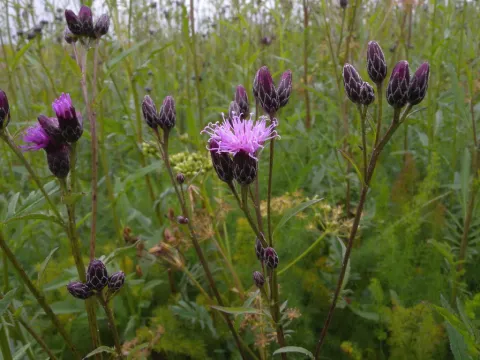
Saw-wort (Serratula) is a perennial herbaceous plant from the Asteraceae family, recognized for its value in both pharmaceutical and agricultural applications.
1
items
What the section contains
Marketplace
Products in this section · 2
Saw-wort
The optimal sowing time is early spring when soil temperatures reach at least 8 to 10 degrees Celsius, ensuring rapid and uniform seed germination.
Seeds should be planted at a shallow depth of 1.5 to 3 centimeters, depending on the soil structure, to prevent burying them too deep for successful emergence.
Wide-row spacing of 45 to 60 centimeters is recommended for industrial plantations, allowing for easier weed control and inter-row cultivation.
Consistent moisture levels during the sowing stage are critical for seedling establishment, especially if the soil is light and prone to rapid drying.
This crop prefers sunny locations with well-drained, fertile loam soils that maintain a neutral to slightly acidic pH level for optimal development.
Saw-wort is highly valued for its drought resistance, which is attributed to its deep-reaching taproot system that taps into deeper soil moisture reserves.
Extreme caution should be exercised to avoid waterlogged areas, as stagnant water is detrimental to the root system and encourages decay.
The plant is highly hardy and can withstand significant temperature fluctuations, making it suitable for cultivation in various temperate climatic zones.
Proper soil preparation, including loosening and nutrient enrichment, is essential for promoting vigorous vegetative growth in the first year of planting.
Yields of green biomass typically range from 15 to 20 metric tons per hectare under intensive management and optimal climatic conditions.
Peak production is usually observed in the second and third years, after which the plant matures and establishes a stable annual biomass cycle.
Seed yield varies depending on insect pollination activity, which is crucial as the species relies on entomophilous reproduction for high seed sets.
A productive plantation lifespan averages between 5 to 8 years, after which replanting is necessary to maintain high yield efficiency.
Regular mineral fertilization, particularly with potash and phosphorus, significantly contributes to maintaining long-term productivity and health.
The crop is occasionally susceptible to fungal diseases such as powdery mildew and rust, which occur primarily in seasons with high humidity levels.
Insect pests, including various weevil species, pose a threat to the generative parts of the plant, potentially causing significant seed yield losses.
Root rot remains a concern if the field drainage system is inadequate, leading to plant mortality during periods of excessive rainfall.
Weed competition represents a major challenge during the first months of growth, necessitating frequent mechanical weeding until the canopy closes.
Integrated pest management strategies are recommended to minimize the use of synthetic chemicals and protect the quality of the raw material.
Biomass harvesting is conducted mechanically during the mass flowering phase to ensure the highest concentration of active biochemical compounds.
Prompt post-harvest processing is essential; the cut material must be dried quickly to prevent fermentation and loss of phytochemical potency.
Drying temperatures must be strictly controlled, ideally kept below 50 degrees Celsius, to preserve the stability of the plant's active ingredients.
Seed harvesting requires careful timing, often utilizing a two-stage method to minimize losses from seed shattering as the flower heads mature.
Once harvested and dried, seeds should be stored in cool, ventilated containers to maintain viability and prevent spoilage by molds or pests.