
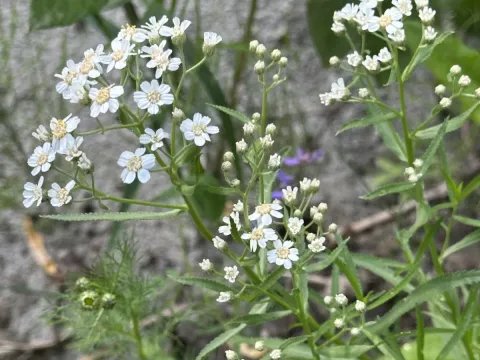
Achillea salicifolia
Achillea salicifolia
Achillea salicifolia is a resilient perennial herb belonging to the Asteraceae family. Sowing can be performed either in early spring as the soil warms or in late autumn, allowing the seeds to undergo natural stratification for better germination.
What the section contains
Achillea salicifolia
Due to the minute size of the seeds, they should be surface-sown or covered with a very thin layer of fine substrate. Pressing them firmly into the soil surface without burying them too deeply ensures optimal access to light, which triggers the germination process.
For professional agricultural cultivation, using seed trays in a controlled greenhouse environment is highly recommended. This practice ensures a high survival rate of seedlings and allows for uniform spacing when planting in the field.
Once seedlings reach a height of 5–8 centimeters, they are ready for transplanting. Proper irrigation during the first two weeks post-transplant is essential to help the root system establish in the new environment.
Maintaining a distance of approximately 30 centimeters between individual plants is necessary to allow for lateral growth and to prevent competitive stress for nutrients and sunlight.
This species thrives in locations with full solar exposure. While it is tolerant to semi-shaded areas, peak essential oil production and robust vegetative growth are best achieved under direct sunlight.
Regarding soil preferences, Achillea salicifolia is quite versatile but performs best in well-drained, sandy loam soils. It does not tolerate waterlogged conditions, which can lead to root degradation.
The plant exhibits significant drought tolerance once established, making it a sustainable choice for regions with limited rainfall. Its deep root system allows it to access deeper soil moisture layers efficiently.
Regular cultivation of the soil between rows is recommended to improve aeration and prevent crust formation. This contributes to healthier plant development and improved overall vigor.
The addition of balanced mineral fertilizers during the early vegetative phase provides the necessary nutrients for biomass accumulation, which is critical for agricultural yield.
The primary threats to Achillea salicifolia are fungal diseases that emerge under conditions of high humidity and poor air circulation. Mildew is a common issue that must be managed through appropriate spacing.
Insects such as aphids and spider mites can infest the foliage, particularly during dry, hot spells. Implementing integrated pest management strategies helps maintain population levels below the economic injury threshold.
Root rots are the most serious risk factor in heavy or waterlogged soils. Ensuring excellent drainage through soil modification or raised beds is the most effective preventative measure against these pathogens.
Regular monitoring of the field is crucial for the early detection of any pest pressure or disease symptoms. Quick intervention, often through organic fungicides or pruning, preserves the harvest quality.
Sustainable farming practices, including crop rotation every few years, significantly reduce the build-up of soil-borne pathogens and contribute to the long-term health of the site.
The harvest phase is ideally timed to coincide with the period of peak flowering. Harvesting during this window ensures the highest concentration of active compounds within the harvested material.
The stems should be cut at an appropriate height to allow for future regrowth. Harvesting in the morning, after the dew has evaporated but before the heat of the day, is standard practice to maintain product quality.
Post-harvest handling requires immediate processing. Exposure to direct sunlight for extended periods after cutting should be avoided as it degrades the essential oils and pigments in the plant material.
Drying is performed in shaded, well-ventilated areas or specialized industrial dryers at low temperatures. A steady flow of air is necessary to remove moisture quickly and prevent spoilage or fermentation.
The final product should be stored in cool, dark, and dry conditions. Proper storage prevents the absorption of environmental moisture and maintains the shelf life of the harvested herbs.