
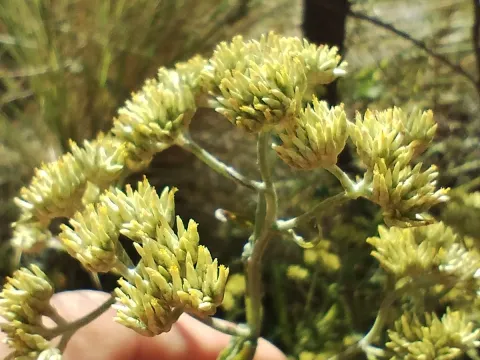
Achyrocline
Achyrocline
Achyrocline is propagated by seeds, which should be sown in early spring when the soil temperature consistently reaches 15 to 18 degrees Celsius.
What the section contains
Achyrocline
It is recommended to stratify the seeds for a few weeks before sowing to break dormancy and ensure uniform germination across the seedbed.
The seeds are small and should be sown at a shallow depth of approximately 0.5 to 1 centimeter, ensuring they receive sufficient ambient light.
Utilizing a seedling tray method allows for better control of the growth environment, resulting in stronger and more resilient plant starts.
Transplanting into the field should only occur after the risk of frost has passed, ensuring the plants have optimal conditions for early establishment.
As a member of the Asteraceae family, Achyrocline thrives in sunny, well-lit environments, which are essential for the synthesis of its medicinal compounds.
The crop prefers well-drained, sandy loam soils that possess a neutral pH, preventing the risk of waterlogging that could damage the root system.
While the plant is somewhat drought-tolerant, consistent irrigation during the peak growing season is necessary to maximize vegetative growth and yield.
Adequate air circulation between plants is crucial to prevent the development of moisture-related issues, particularly in high-density planting schemes.
Site selection should focus on areas with good sun exposure to maintain the plant's natural health and ensure a high concentration of volatile oils.
The primary yield of Achyrocline consists of its aerial parts, specifically leaves and flowers, which are highly valued for their bioactive flavonoid content.
Average yield per hectare depends on planting density, soil fertility, and the overall management of the field throughout the growing season.
Harvesting is typically scheduled during the peak flowering stage, when the secondary metabolites reach their highest levels of biological activity.
Proper field management, including timely weeding and balanced fertilization, can significantly improve the final dry weight of the harvested product.
Consistent climatic patterns, particularly moderate rainfall and warm temperatures, contribute to high-quality yield throughout the harvest period.
Fungal diseases represent the most significant threat to Achyrocline, especially when environmental humidity remains high for extended periods.
Root rot is a common issue caused by poor drainage, necessitating careful attention to soil structure and irrigation scheduling in the field.
Common pests like aphids and spider mites can infest the foliage, requiring active monitoring and, if necessary, the use of biological control agents.
Implementing a balanced crop rotation plan helps to reduce the build-up of soil-borne pathogens and improves the overall resilience of the cultivation.
Integrated pest management strategies are preferred to maintain the quality of the medicinal herb and satisfy strict organic or pharmaceutical standards.
Harvesting should be conducted during the morning hours, once the dew has evaporated, to ensure the harvested material is clean and dry.
The plants are typically harvested by cutting the aerial stems, which are then bundled or transported in bulk to a controlled drying facility.
Drying is performed in shaded areas with constant airflow, ensuring that the plant tissues do not overheat and degrade the delicate volatile oils.
Once dried, the biomass undergoes a separation process to isolate the flowers and leaves from the coarser, less potent stems for final packaging.
The finished product must be stored in airtight containers away from direct sunlight and humidity to preserve its medicinal properties for as long as possible.