
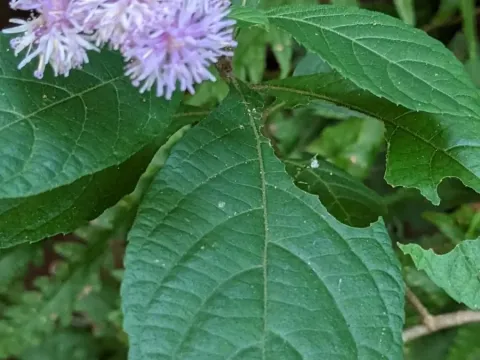
Acilepis
Acilepis
Acilepis is a genus within the Asteraceae family that requires specific conditions for optimal germination. The sowing process begins with preparing a well-drained, nutrient-rich substrate, which is vital for the survival of young seedlings.
What the section contains


Acilepis
Seeds should be sown in early spring once soil temperatures reach stable levels, typically above 12 degrees Celsius. Proper depth control is essential, as burying seeds too deeply can impede sprout development and lead to uneven stands.
For large-scale cultivation, precision seeding equipment is used to maintain consistent spacing between rows. This setup minimizes inter-plant competition for sunlight and essential minerals, fostering healthier and more uniform growth across the field.
In regions with unpredictable spring weather, utilizing a nursery for seedling production is recommended. This method allows for better climate control and ensures that healthy, established plants are transplanted into the main field at the optimal time.
Germination can be accelerated by pre-soaking seeds in growth-promoting solutions. Maintaining steady soil moisture during the first two weeks of emergence is crucial to ensure high survival rates and a robust initial root structure.
Acilepis flourishes in locations with full sunlight exposure, as light intensity directly correlates with its growth rate and chemical content. Shaded environments often lead to stunted development and lower quality of the harvested material.
The crop demands well-aerated, fertile soil with a neutral pH. While it is adaptable to various soil types, maintaining good soil structure through organic amendments is necessary to prevent compaction, which can impede root expansion.
Water management is essential, especially during the peak growing season. While established plants show some drought tolerance, consistent moisture during the budding phase is vital to maximize biomass production.
Temperature range management is a key aspect of agrotechnology for this species. It performs best under temperate conditions, with optimal development occurring between 18 and 28 degrees Celsius during the day.
Nutrient supplementation should be based on soil testing. Phosphorus and potassium are critical for strengthening cell walls and enhancing the plant's overall resistance to environmental stressors and mechanical handling.
The yield of Acilepis is primarily measured by the total biomass harvested per unit area. Maximizing this yield requires meticulous attention to the timing of fertilizing and irrigation throughout the growth cycle.
Since the plant supports multiple cuttings, strategic timing of each harvest is essential for long-term productivity. Proper management of the regrowth phase after each cut is what ensures consistent harvest results over time.
Post-harvest processing is a critical component of productivity. The drying process must be handled rapidly and in controlled, shaded environments to preserve the integrity of the essential compounds within the leaves and stems.
Yield stability is improved through the implementation of integrated pest management strategies. Preventing losses to pests and diseases early in the cycle ensures that the final harvest reflects the full genetic potential of the crop.
Modern harvesting machinery adapted for medicinal herbs can significantly increase output efficiency. By minimizing physical damage to the plants, growers ensure higher quality and marketability of the processed raw material.
The most common threat to Acilepis is root rot, which typically develops in waterlogged soil. Ensuring adequate soil drainage and ventilation around the base of the plant is the primary method for mitigating this risk.
Pests like aphids and spider mites may target the foliage during warm, dry spells. Regular monitoring and the application of biological control agents are effective ways to suppress infestations without harming the medicinal quality of the crop.
Powdery mildew can become a concern in environments with high humidity and poor airflow. Managing plant density and removing plant debris from previous seasons significantly reduces the incidence of this fungal disease.
Weed competition is a significant threat during the early stages of growth. Mechanical weeding between rows, conducted with care to avoid root disturbance, is necessary to keep the field clean and productive throughout the season.
Seasonal shifts, especially extreme winter cold, can damage the plants. Applying mulching materials or protective covers in colder climates helps maintain soil warmth and protects the root systems until the next spring.
The ideal harvest time for Acilepis is during the early flowering stage. This phase provides the highest concentration of desired active ingredients, making it the standard benchmark for quality in commercial production.
Plants should be cut cleanly, leaving a sufficient base to encourage rapid regrowth. This practice allows for multiple harvests per year, provided that the plant has enough resources to recover after each intervention.
Harvesting should occur during dry, cool morning hours once the dew has evaporated. This timing prevents the moisture-induced degradation of biomass that can occur if the plants are packed while wet.
Once harvested, the material must be moved quickly to a facility for secondary processing. If left in piles on the field, the biomass can begin to ferment or heat up, leading to a significant loss in product quality.
Final storage involves placing the dried raw material in breathable containers to prevent moisture accumulation. Maintaining a cool, dark, and dry warehouse environment ensures that the quality is preserved until final distribution.