
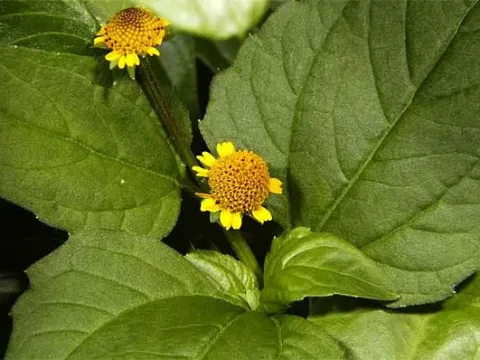
Acmella
Acmella
Acmella (Acmella oleracea), commonly known as the toothache plant, is a tropical annual in the Asteraceae family. For cultivation in temperate regions, seeds should be started indoors in March or April, maintaining a temperature of 20–25°C for germination.
What the section contains
Acmella
Transplanting into open ground occurs only after the last risk of frost has passed, as the plant is extremely sensitive to cold temperatures. It thrives best when the soil is warm and the danger of sudden weather drops is over.
Seeds require light to germinate, so they should be surface-sown or barely covered with a fine layer of substrate. Keeping the soil consistently moist is essential during the initial 10 to 14 days of germination.
Spacing between plants should be approximately 30–40 cm to allow for sufficient air circulation and lateral branching. A healthy plant will develop into a bushy, low-growing shrub if given adequate space.
Greenhouse or tunnel cultivation is highly recommended in areas with shorter growing seasons, as it significantly promotes biomass accumulation and earlier flowering of the crop.
Acmella prefers fertile, loamy, and well-draining soils with a neutral pH level. Proper drainage is crucial, as waterlogged conditions can lead to root rot and poor plant health.
The plant is highly sunlight-demanding and heat-loving. It should be positioned in a location that receives full sun exposure throughout the day to ensure optimal development and active ingredient concentration.
Regular irrigation is vital for growth, particularly during the flowering phase. However, care must be taken to avoid over-watering, which creates an environment prone to fungal pathogens.
Fertilization with a balanced nitrogen-phosphorus-potassium mix supports both foliage growth and flower production. Organic matter, such as compost, can be incorporated into the soil before planting to improve structure.
Mulching the soil surface helps to retain moisture and regulate soil temperature, which is especially beneficial during dry summer spells when the plant is at its peak metabolic activity.
Spider mites are the most common pests, especially in hot and dry climates. They cause yellowing and curling of the leaves, which can reduce the overall yield and vitality of the plant.
Powdery mildew may occur if planting density is too high or if air circulation is inadequate. Prevention is primarily managed through proper spacing and avoiding wetting the leaves during irrigation.
Slugs and snails can severely damage young seedlings in the early spring. Installing physical barriers or using organic-approved pest control measures can help protect the vulnerable juvenile plants.
Aphids can infest the tips of the shoots and flowers. Given the crop's use in food and medicine, it is recommended to use biological controls or soft soaps rather than harsh chemical pesticides.
Root diseases are primarily linked to poor soil structure and drainage. Ensuring the soil remains airy and not compacted is the best defense against soil-borne pathogens and root decay.
Harvesting is performed during the peak flowering stage when the concentration of spilanthol, the plant's main active compound, is at its highest in the flower heads.
For culinary use, fresh leaves and flowers are picked as needed. They are prized for their tingling, numbing sensation, which provides a unique flavor profile often used in molecular gastronomy and salads.
Drying the harvested material should occur in a shaded, well-ventilated area at temperatures not exceeding 40°C to preserve the volatile oils and medicinal properties of the plant.
Continuous harvesting of flowers can stimulate the plant to produce more shoots, extending the productive season and maximizing the total amount of harvested biomass.
Proper storage in dark, airtight containers is essential to prevent degradation of the bioactive compounds after the harvest, ensuring the product retains its quality for further processing or use.