
Kniphofia citrina
Kniphofia citrina
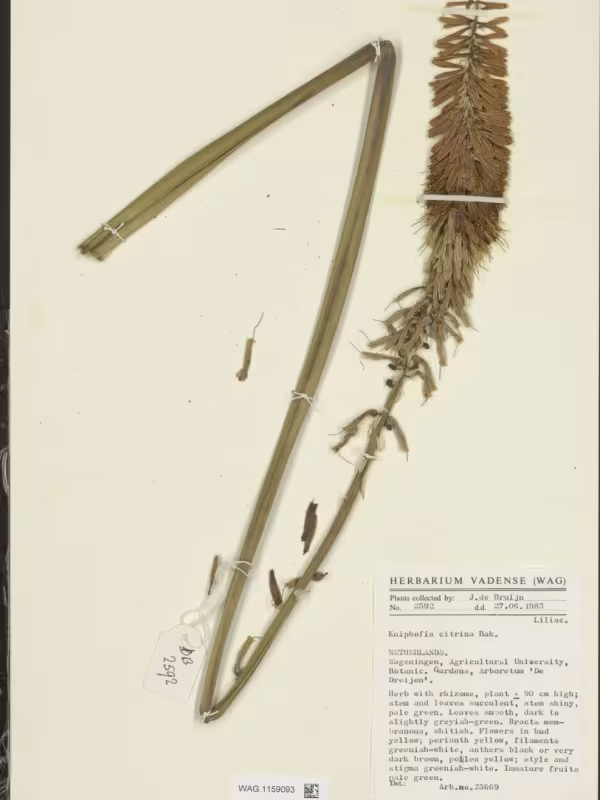
Description
Sowing dates
Seeds of Kniphofia citrina are typically sown indoors during March or April. Maintaining a stable temperature between 20–25 degrees Celsius is essential for successful germination.
Cold stratification of the seeds for 2–4 weeks is highly recommended before sowing to improve overall germination rates. Containers should be covered to retain moisture until the seedlings emerge.
Seedlings should be pricked out into individual pots once they develop two or three true leaves. Transplanting into the garden bed should only occur after all risks of frost have passed.
Vegetative propagation by division of the root clump is also a common method, usually performed in the spring. This approach allows the plant to reach maturity and flower much faster than seed-grown specimens.
When selecting a site, it is important to remember that Kniphofia does not like being moved. Choose a permanent location with adequate spacing of at least 40–50 centimeters between plants.
Growing requirements
Kniphofia citrina is a heat-loving ornamental species belonging to the Asphodelaceae family, originating from South Africa. It thrives in full, direct sunlight and requires a sheltered location.
The plant prefers well-drained, fertile, and loose soil. Waterlogged conditions must be avoided at all costs, as they lead to root rot and other physiological disorders.
Regular watering is necessary during the active growing season, but caution should be exercised to prevent the crown of the plant from staying wet, which can lead to fungal issues.
In colder regions, the plant requires winter protection. It is common practice to tie the foliage together and mulch the base of the plant with dry organic matter to insulate the roots.
Application of balanced mineral fertilizers at the start of the growing season encourages vigorous growth. Organic amendments can also be used to improve soil structure and bloom quality.
Main diseases and pests
Root rot is the most common disease for Kniphofia citrina, primarily caused by excessive soil moisture and poor drainage. Proper site selection is the best preventative measure against this threat.
Pests such as aphids and spider mites may infest the foliage and flower stalks. These pests drain the plant's resources and can significantly impact its aesthetic appeal.
Effective pest management involves the use of targeted insecticides or acaricides. Treatment should be applied as soon as the first signs of infestation appear to prevent rapid spread.
High humidity levels can promote fungal leaf spot infections. Good air circulation between plants is vital to minimize the risk of these infections occurring throughout the summer.
Routine inspection of the planting area is highly advised for early detection of issues. Removing infected parts of the plant immediately helps maintain the health of the entire clump.