
Kniphofia brachystachya
Kniphofia brachystachya
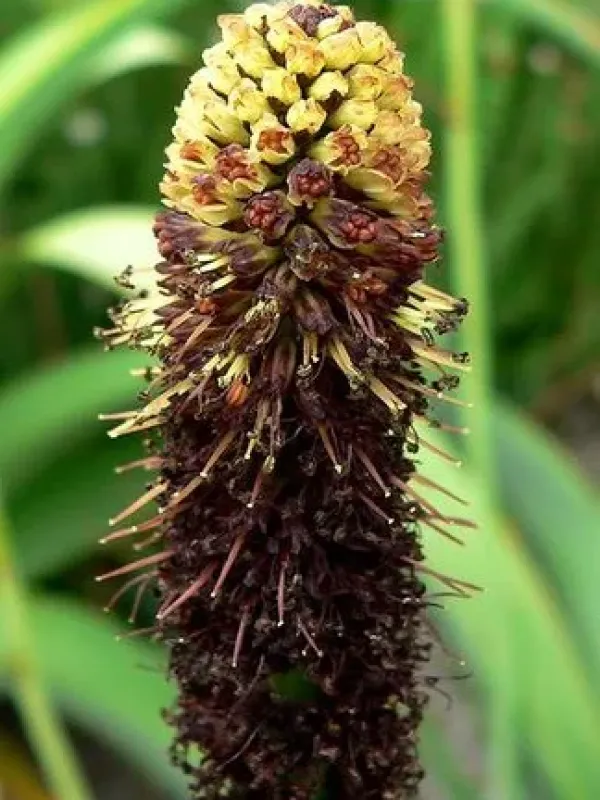
Description
Sowing dates
Sowing seeds of Kniphofia brachystachya is typically done in late winter or early spring using a greenhouse or indoor seed trays. This extended season ensures the plants are sufficiently developed before the first frost.
Maintain a stable temperature of approximately 20–22°C (68–72°F) to ensure consistent germination. The seeds generally require about three to four weeks to sprout under good light conditions.
Pricking out the seedlings into individual containers is crucial once the first true leaves appear. This process strengthens the root system and prepares the young plants for transplanting.
Move the plants to their final outdoor location only after the risk of frost has passed. Ensure the soil is warmed up before the planting procedure to reduce transplant shock.
Propagation via division is best performed during early spring. Carefully separating the clumps encourages more vigorous growth and rejuvenates older, overcrowded specimens.
Growing requirements
Kniphofia brachystachya belongs to the Asphodelaceae family and is native to the high-altitude regions of South Africa. It thrives in environments that mimic these natural conditions.
Well-draining, nutrient-rich soil is essential for this species. It is highly sensitive to waterlogged conditions, so amending heavy soils with grit or sand is a standard practice.
Full sunlight is a requirement for optimal blooming. Providing at least six to eight hours of direct sun daily ensures that the plant develops healthy, sturdy flower spikes.
Watering should be balanced—regular enough to keep the plant growing, yet never enough to saturate the soil. Deep, infrequent watering is preferred over light daily sprinkles.
Winter protection is necessary in colder climates. Applying mulch around the base and ensuring good air drainage helps prevent the crown from rotting during wet, chilly winter months.
Main diseases and pests
Root rot is the most common threat, usually caused by poor drainage or excessive humidity around the root collar. Ensuring the planting site is elevated or sloped can minimize this risk.
Aphids can settle on the succulent leaves and developing flower stalks. Integrated pest management using insecticidal soap is effective for controlling these infestations.
Spider mites might become an issue during particularly hot and dry periods. Regularly monitoring the underside of the leaves for webbing is the first step in early detection.
Slugs and snails can severely damage new foliage in the spring. Using copper tape or traps is an effective organic way to protect vulnerable young growth from such pests.
Maintaining a clean garden environment by removing dead foliage and debris reduces the risk of fungal infections and provides better airflow for the plants.
Harvesting
Seed harvesting should be timed carefully as the seed pods begin to dry and turn brown. Once the capsules start to split, the seeds can be collected and stored in a cool, dry place.
For ornamental cut flower purposes, harvest the spikes once the lower florets have opened. Cutting at this stage ensures the longest vase life for the arrangement.
Remove faded flower stalks down to the base to improve the overall appearance of the plant and prevent it from wasting energy on seed production when not desired.
In autumn, gently tie the foliage together to protect the center of the crown from rain and ice, which helps in preventing winter-related decay of the plant core.
Proper nutrient management during the growing season is essential for high-quality seed production, ensuring that the next generation of plants inherits strong traits.