
Kniphofia praecox
Kniphofia praecox
Description
Sowing dates
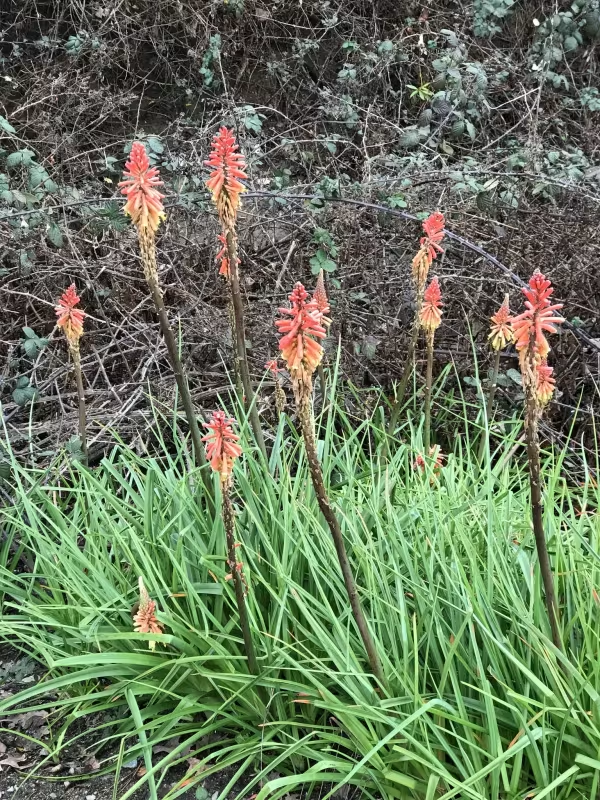
Kniphofia praecox is a striking perennial herb belonging to the Asphodelaceae family. It is widely cultivated for its tall, torch-like inflorescences that transition from coral-red to bright yellow, making it a focal point in any landscape design or floral collection.
Propagation is primarily achieved through seeds or division. Seeds should be sown in early spring in well-drained, sterile seed-starting mix. Maintaining a consistent temperature between 20-22 degrees Celsius is essential for optimal germination rates in this species.
The development of seedlings is relatively slow, often requiring careful maintenance during the initial months. Providing adequate light and preventing damping-off through proper airflow is crucial for the successful establishment of young plants before they are hardened off.
Transplanting to permanent sites occurs once the danger of frost has passed. Plants are usually spaced 40 to 60 centimeters apart to allow for proper foliage development and to minimize the risk of fungal spread in dense clusters.
Vegetative propagation via division is recommended for established clumps. Dividing the root system in early spring encourages rapid recovery and ensures that the genetic traits of the parent plant are preserved in the next generation of blooms.
Growing requirements
This culture thrives in full sun, which is necessary for the development of its vibrant floral pigments. Sites receiving at least six to eight hours of direct sunlight per day are ideal for maximizing the height and duration of the flowering period.
Soil requirements are focused on drainage and fertility. Kniphofia praecox performs best in deep, loamy, and well-draining soils. While it appreciates consistent moisture, it is highly sensitive to waterlogged conditions, which can lead to crown rot.
Regarding climate, the plant exhibits moderate hardiness. While it adapts to a variety of temperate conditions, extreme winter temperatures require heavy mulching of the base to protect the fleshy rootstocks from deep soil frost and moisture accumulation.
The irrigation strategy should emphasize deep watering during the active growth and flowering phases rather than frequent surface wetting. This approach encourages the roots to grow deeper, improving the plant's overall resilience to brief periods of drought.
Fertilization with a balanced, slow-release granular fertilizer is recommended at the start of the growing season. Supplemental potassium application during the bud-forming stage can enhance the structural integrity of the flowering stems.
Main diseases and pests
The primary threats to Kniphofia praecox are root and crown rot pathogens, typically exacerbated by poor soil drainage. These fungal issues can be detected by wilting foliage and discoloration at the base of the plant, necessitating immediate remedial action.
Common pests such as aphids, spider mites, and thrips can infest the leaves and buds, especially in dry, warm conditions. Monitoring the underside of leaves and the flower heads regularly is recommended to detect early signs of infestation.
Integrated pest management is the most effective approach for maintaining health. This involves maintaining optimal spacing to ensure airflow, proper sanitation of the planting area, and the targeted use of pesticides only when necessary.
Fungal leaf spots can also occur if the foliage remains wet for extended periods. Pruning affected leaves and avoiding overhead irrigation can significantly reduce the pressure of these diseases throughout the growing season.
Proper winter preparation, including the removal of dead or decaying foliage after the first frost, serves as a vital prophylactic measure against overwintering spores that could otherwise initiate infection in the following spring.