
Kniphofia hirsuta
Kniphofia hirsuta
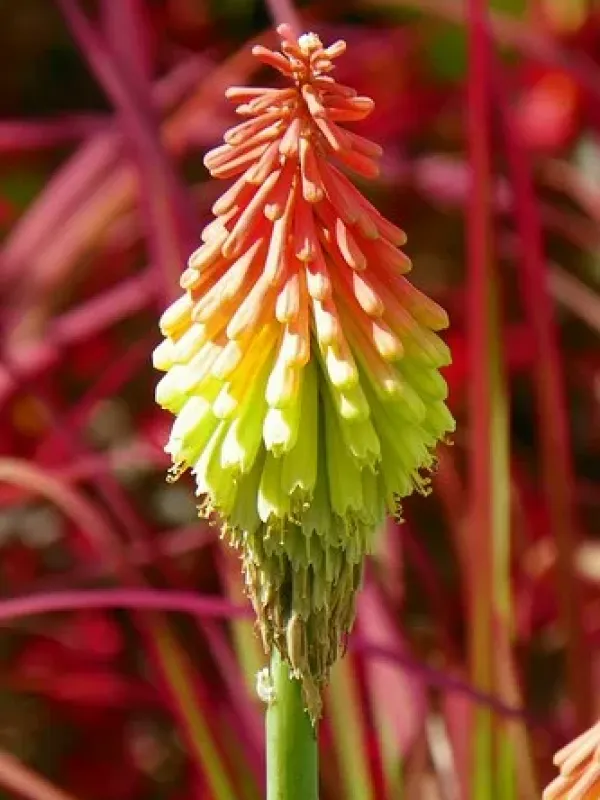
Description
Sowing dates
Sowing seeds of Kniphofia hirsuta is typically performed in late winter or early spring to allow for a long growing season. Use a well-draining, sterile seed-starting mix in trays, covering the seeds lightly with compost.
Maintain an ambient temperature of approximately 20 to 22 degrees Celsius and ensure the soil remains moist but not waterlogged. Germination can be slow and irregular, often requiring patience for several weeks.
Once seedlings develop at least two true leaves, they should be carefully transplanted into individual pots. This stage is crucial for building a strong root system before the final planting in the garden.
Move the young plants to their permanent location in the garden only after all danger of frost has passed in late spring. Choose a site that provides ample space for the root system to expand comfortably.
Vegetative propagation via division is another reliable method for established clumps. This is best done in the spring as soon as new growth emerges, ensuring each division has healthy roots and foliage.
Growing requirements
Kniphofia hirsuta, a member of the Asphodelaceae family, originates from the mountainous regions of South Africa. This heritage makes the plant adapted to cool summers and well-drained, rocky environments.
The plant demands full sun exposure to thrive and produce its signature flower spikes. Planting it in shaded areas will significantly reduce vigor and prevent the plant from flowering effectively.
Soil requirements are strict: the medium must be exceptionally well-draining. Heavy, clay-based soils should be amended with organic matter and grit to prevent moisture retention that causes root rot.
Watering should be consistent throughout the active growth period, focusing on the soil rather than the foliage. Allow the surface of the soil to dry out slightly between waterings to encourage deep root growth.
During winter, protection is essential, especially in colder climates. Tie the foliage together at the crown to prevent water from accumulating in the center, which helps avoid freezing and rotting of the base.
Main diseases and pests
Root rot is the most common threat to Kniphofia hirsuta, usually caused by poor drainage or overwatering. Infected plants will show yellowing foliage and stunted growth, often necessitating the removal of the plant.
Aphids are frequent pests that cluster on the succulent parts of the plant, sucking sap and weakening the flower stalks. Regular monitoring and use of horticultural soaps or systemic insecticides can control infestations.
Thrips may infest the inflorescences, causing them to discolour or wilt prematurely. Integrated pest management, including the use of sticky traps, is recommended to minimize damage to the decorative flowers.
Spider mites can become an issue during hot, dry spells, creating fine webbing and stippled foliage. Increasing environmental humidity and using appropriate miticides are effective control measures.
Slugs and snails can consume young growth, particularly in damp springs. Implementing physical barriers like copper tape or using iron phosphate baits helps protect the delicate new shoots from these pests.