
Kniphofia bruceae
Kniphofia bruceae
Description
Growing requirements
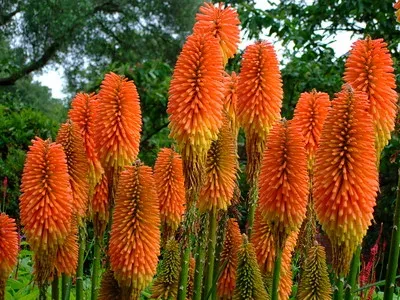
Kniphofia bruceae is a rare herbaceous perennial belonging to the Asphodelaceae family, native to the Eastern Cape region of South Africa. This species is distinguished by its grass-like, tough foliage and striking, spike-like inflorescences that emerge during the peak growing season.
To ensure successful cultivation, these plants require full sun exposure, although they can tolerate partial shade in regions with extremely high summer temperatures. A location with good air circulation is critical to prevent fungal diseases that often affect the dense foliage.
The ideal soil for this species is well-drained, sandy loam with a neutral to slightly acidic pH. Incorporating organic matter into the soil improves fertility, while adding gravel or coarse sand is essential to prevent water accumulation near the crown.
Climate requirements for Kniphofia bruceae are centered on a temperate to Mediterranean climate. It thrives when there is a clear distinction between the growing season, which requires consistent moisture, and the dormant winter period, where it prefers drier conditions.
The primary use of this plant is ornamental, as it serves as an excellent focal point in landscape design. Its tall, architectural habit makes it ideal for borders, prairie-style plantings, and gardens focused on pollinator-friendly species.
Main diseases and pests
Root rot is the most significant threat to Kniphofia bruceae, primarily caused by waterlogged soil conditions during the cold winter months. Ensuring a rapid drainage system is the most effective preventative measure against this lethal condition.
Aphids are the most common insect pests that infest the flowering stalks and soft leaf tissues. Regular monitoring and the application of insecticidal soaps or horticultural oils are recommended at the first sign of infestation to preserve aesthetic value.
Slugs and snails can cause substantial damage to the tender base of the leaves, especially in damp conditions. Using physical barriers or copper tape around the plant base is a common non-toxic approach to mitigate this damage.
Leaf spot diseases, often triggered by overhead irrigation, can impact the plant's health and appearance. To prevent this, it is recommended to direct water only to the root zone and avoid wetting the foliage during watering sessions.
Soil-borne nematodes may occasionally pose a problem in poor or exhausted soils. Practicing proper hygiene when introducing new plants and maintaining high soil health through compost application helps keep the root system resilient against these pests.