
Kniphofia caulescens
Kniphofia caulescens
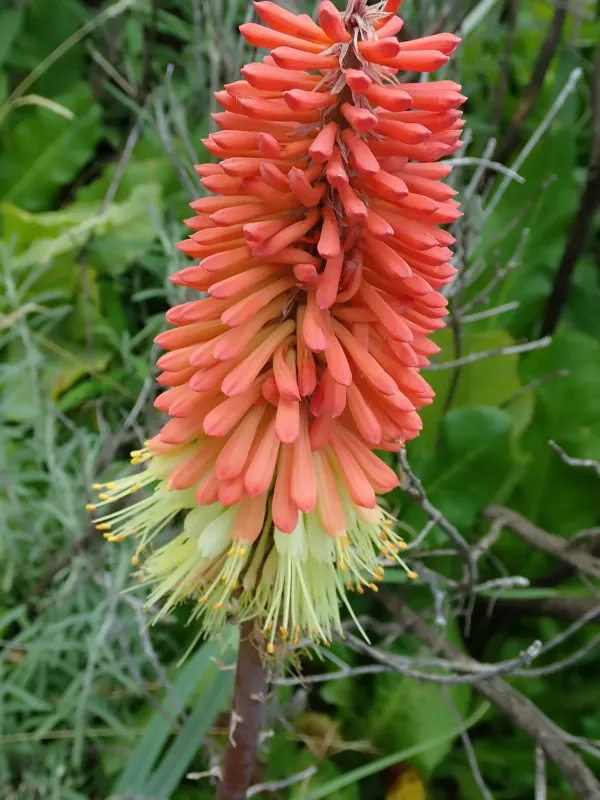
Description
Sowing dates
The sowing of Kniphofia caulescens seeds is generally performed in late winter within controlled greenhouse environments to ensure successful germination.
Seeds are sown into a light, well-draining substrate and maintained at a constant temperature of approximately 20–22 degrees Celsius.
Stratification is a recommended practice to improve seed vigor and ensure a higher percentage of healthy seedling emergence.
Once the seedlings are sufficiently developed and the risk of frost has passed, they are transplanted into their permanent outdoor location.
Vegetative propagation via root division is best conducted during the early spring season to allow plants to establish before the peak heat.
Growing requirements
Kniphofia caulescens belongs to the Asphodelaceae family and is distinguished by its unique leafy stems that rise above the ground.
Originating from the mountainous regions of South Africa, this species thrives in locations with abundant sunlight and open air.
The soil must be fertile, loose, and possess exceptional drainage capabilities to prevent root decay during wet seasons.
While the plant is relatively cold-tolerant, it requires protective mulching in regions with freezing winters to preserve the crown.
Regular irrigation is vital during the growing phase, though it is crucial to ensure that water does not accumulate around the base.
Main diseases and pests
Root rot is the most common threat to this culture, typically caused by waterlogged soil conditions or heavy, non-porous soil textures.
Aphids and spider mites are known pests that can infest the foliage, particularly during extended periods of hot and arid weather.
Fungal leaf spots may occur in environments where air circulation is poor and humidity levels remain excessively high for long durations.
Preventive measures include maintaining proper spacing between plants to encourage airflow and using organic fungicides when necessary.
Regular monitoring of the leaf surface and timely application of mild insecticides can prevent pest populations from reaching critical levels.