
Kniphofia hybrids
Kniphofia hybrids
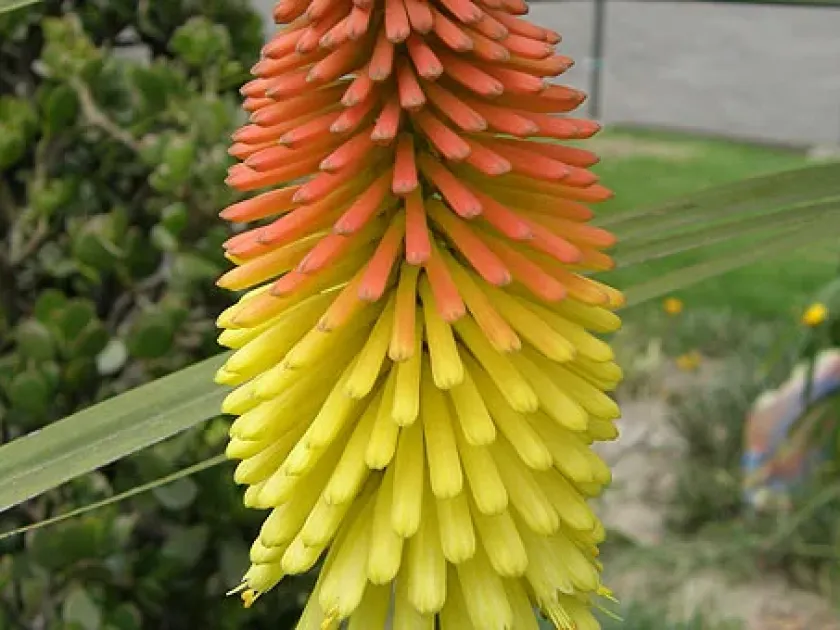
Description
Sowing dates
Seeds of Kniphofia hybrids are typically sown indoors in early spring, around March or April. The seeds should be lightly pressed into a high-quality, free-draining seed-starting mix.
To ensure optimal germination, keep the trays at a constant temperature of 20–25 degrees Celsius. Covering the container with plastic wrap helps maintain the necessary humidity levels.
Seedlings should be transplanted into individual pots once they have developed their first set of true leaves. Ensure they receive plenty of bright, indirect sunlight to develop a robust root system.
Planting out into the garden should only happen once the danger of frost has passed, usually in late May or June. Adequate spacing of 40–50 cm is required to prevent overcrowding and moisture buildup.
Patience is required when growing from seeds, as these hybrids typically do not reach their full flowering potential until their second growing season.
Growing requirements
Kniphofia hybrids belong to the Asphodelaceae family. These plants are widely recognized for their striking, torch-like inflorescences that add a vertical architectural element to garden landscapes.
They thrive in full sun exposure, requiring at least six to eight hours of direct light daily to produce their signature vibrant colors. Locations with partial shade significantly reduce flowering frequency.
Well-drained soil is non-negotiable for this species. While they adapt to various soil types, they absolutely require a site that does not collect standing water, which can cause crown rot.
Watering should be deep and thorough during the spring and summer months, but it must be adjusted according to soil moisture levels. Avoid overhead watering to keep the foliage dry.
Winter protection is critical in temperate climates. Gardeners should tie the foliage together and mulch the base heavily with organic material to protect the crown from freezing temperatures.
Main diseases and pests
Root rot is the most common disease affecting Kniphofia, usually triggered by poor drainage or overly heavy, wet soil conditions. Ensuring the site is well-drained is the primary defense against this issue.
Aphids are frequent visitors to the developing flower spikes, where they suck sap from the tender tissues. Early intervention with insecticidal soap or systemic pesticides is recommended to prevent damage.
Spider mites thrive in hot, dry environments and can quickly weaken the plant. Regular monitoring of the undersides of leaves and increasing humidity can help mitigate the risk of infestation.
Thrips may cause distortion and spotting on the flower petals, severely impacting the plant's ornamental appeal. Maintaining plant vigor through proper nutrition helps the plant withstand minor pest pressures.
Proper sanitation, including the removal of dead or dying plant debris at the end of the season, reduces the overwintering habitats for various garden pests and fungal spores.