


Reference · Crops
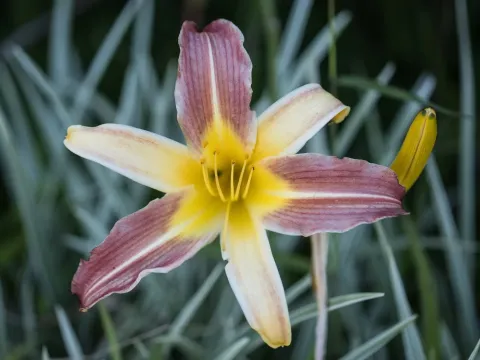
Daylily
Hemerocallis L.
Daylilies are typically propagated through division of the rhizomes. The most favorable time for this operation is early spring, when the plant begins its growth cycle, or late summer immediately after the flowering period concludes.
2
items
What the section contains
Marketplace
Products in this section · 12


Daylily
When propagating via seeds, sow them in autumn to allow for natural stratification throughout the winter. This process significantly improves germination rates and ensures that the seedlings are acclimated to local conditions from the very beginning.
Planting depth is a critical factor for the long-term success of the culture. The crown of the plant must not be buried more than 2-3 centimeters deep, as excessive depth often leads to failure in flower production and stunted development.
Proper spacing between plants is essential for airflow and disease prevention. Depending on the specific cultivar, a distance of 50 to 70 centimeters between plants is recommended to allow for optimal expansion of the root system.
After planting, thorough watering is necessary to eliminate air pockets around the roots. Maintaining consistent soil moisture in the first few weeks is vital for the plant to establish itself successfully in its new location.
Belonging to the Asphodelaceae family, Hemerocallis is a highly versatile and resilient perennial. It thrives in various environmental conditions, preferring full sun but tolerating partial shade during the hottest parts of the day.
The culture is adaptable to various soil types but performs best in well-drained loams. A slightly acidic to neutral pH level is generally considered the most favorable range for healthy development and nutrient uptake.
Effective drainage is the most important soil requirement for Hemerocallis. Prolonged waterlogging can quickly lead to root rot, which is a major limiting factor in daylily cultivation across various climates.
Originating from East Asia, including China, Korea, and Japan, the daylily is naturally adapted to temperate climate cycles. Most modern cultivars are extremely hardy and capable of surviving harsh winters without specific protection.
Regular fertilization with a balanced mix during the active growing season promotes strong foliage and abundant flowering. Micronutrients are also beneficial, especially when the plants are grown in intensive cultivation schemes.
Beyond its ornamental value, the daylily is used in culinary practices, particularly in Asian regions. The young, tender shoots and flower buds are harvested and prepared as nutritious vegetables rich in vitamins.
The yield of a daylily plant is often defined by the number of flower scapes produced. A healthy, mature specimen can produce multiple scapes, each bearing a series of buds that bloom in succession throughout the season.
A single daylily clump can remain productive on a site for over a decade. However, periodic division every 5-7 years is recommended to rejuvenate the clump and maintain high performance and vigor.
Propagation on nursery plots allows for a significant turnover of planting material. Depending on the variety, a single clump can provide 5 to 15 healthy divisions within a three-year period, demonstrating high regenerative potential.
Daylilies are also valuable for agricultural biodiversity, as they serve as excellent sources of nectar and pollen for various bee species, contributing to the health of the local ecosystem.
Daylily rust (caused by the fungus Puccinia hemerocallidis) is one of the most prominent diseases affecting the culture. It manifests as orange-colored pustules on the leaves, severely impairing the plant's photosynthetic capability.
Crown rot, often resulting from improper watering or heavy soil, can cause significant damage. Early signs of the disease include yellowing and premature drying of the foliage, which requires immediate attention and soil amendment.
The daylily gall midge is a serious pest that targets the buds. The larvae feed internally, causing the buds to swell and fail to open, which leads to a substantial loss of the expected decorative or agricultural yield.
Thrips are common pests that attack the petals, leaving unsightly streaks and damaged tissue. Controlling these pests requires consistent monitoring and, in extreme cases, the application of appropriate systemic insecticides.
Sanitation is the cornerstone of pest and disease control in daylily fields. Removing and destroying all infected foliage and debris at the end of the season is essential to minimize the inoculum levels for the following year.