
Orange daylily
Hemerocallis fulva (L.) L.
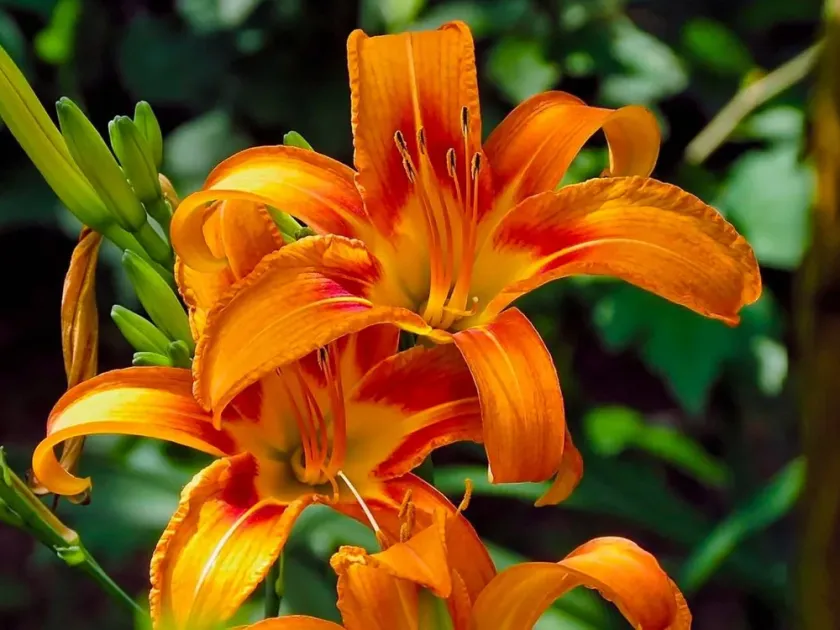
Description
Growing requirements
The orange daylily, known botanically as Hemerocallis fulva, is a robust perennial plant belonging to the Xanthorrhoeaceae family. Originally from Asia, it has become widely naturalized across many regions of the world due to its exceptional hardiness.
This species is highly adaptable to a variety of environmental conditions, thriving in full sun to partial shade. Its ability to tolerate wide fluctuations in temperature and moisture makes it a staple for low-maintenance landscapes and naturalized gardens.
The crop performs best in fertile, well-draining soils with a neutral to slightly acidic pH level. While it tolerates a wide range of soil types, providing adequate organic matter helps in improving moisture retention while preventing the root rot associated with poor drainage.
Botanically, it is characterized by succulent, fleshy roots that store water and nutrients, allowing the plant to survive harsh drought periods. The foliage typically emerges in large, arching clumps that efficiently shade the ground and suppress weeds.
Economically, besides its role as a beautiful ornamental plant, the orange daylily is utilized in various traditional cuisines for its edible flower buds and young shoots, which are harvested before the flowers fully open.
Main diseases and pests
Hemerocallis fulva is generally considered a disease-resistant plant, but it is not entirely immune. Root rot, caused by various fungal pathogens, remains the most significant threat, particularly in heavy, waterlogged clay soils.
Insect pests such as thrips, aphids, and the daylily gall midge can cause cosmetic and reproductive damage. Infested buds often fail to open properly and should be pruned and removed immediately to reduce the population of these pests.
Leaf streak, a fungal infection causing brown lesions on the leaves, can occur during humid and warm weather. Ensuring proper spacing between plants to improve air circulation is a key cultural practice to prevent this issue.
For chemical control, systemic insecticides and fungicides are used when cultural methods are insufficient. Always apply these products following local agricultural guidelines to ensure environmental safety and effectiveness.
Proper garden sanitation, including the removal of dead foliage at the end of the season, significantly reduces the overwintering sites for both fungal spores and insect pests, contributing to a healthier crop for the following year.