
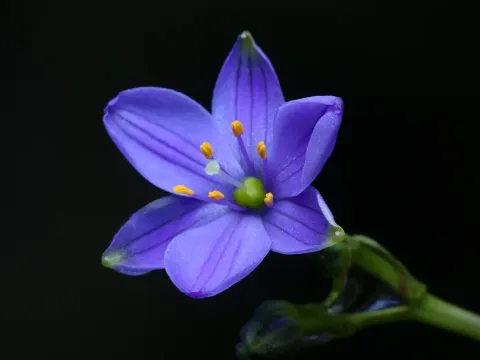
Chamaescilla
Chamaescilla
Chamaescilla is a genus of perennial herbaceous bulbous plants belonging to the family Asphodelaceae. Naturally, these plants are primarily found in Australia, where they have evolved to adapt to specific environmental conditions.
What the section contains

Chamaescilla
The culture is characterized by narrow basal leaves and flower stalks bearing vibrant blue or purple flowers. Botanically, the plant is classified as a geophyte, meaning it survives unfavorable periods in a dormant state underground through the use of bulbs.
For successful growth, Chamaescilla requires well-drained, sandy, or loamy soils that do not retain excess moisture during the dormancy phase. The plant prefers open, well-lit areas but can tolerate light shading during peak midday sun.
The climatic requirements of this culture are tied to a Mediterranean-type climate with a distinct wet growing season and a dry resting period. In regions with temperate climates, Chamaescilla is most often grown as a greenhouse or pot plant.
Cultivation practices involve providing moderate watering during the active vegetative phase and completely stopping moisture supply after the above-ground parts wilt. It is crucial to maintain a temperature regime that prevents the soil from freezing in the bulb zone.
The primary threat to Chamaescilla is soil waterlogging, which leads to bulb rot. Stagnant water is a fatal factor that triggers the development of fungal infections, such as Fusarium wilt and various types of soft rot.
Among pests, the greatest danger to this type of bulbous plant is posed by soil nematodes and bulb mites. They damage the root system and the base of the bulbs, which weakens the plant's immunity and leads to death.
To prevent infestations, it is recommended to use only sterilized substrate and to treat bulbs with fungicides before planting. Regular ventilation in greenhouses helps control air humidity and prevents the formation of mold.
If pests are detected, it is necessary to immediately apply systemic insecto-acaricides. It is also important to promptly remove plant debris, which can serve as a source of infection.
By strictly following the drying cycle during the dormancy period, the risk of fungal infection is minimized, allowing for the successful preservation of the planting material until the next vegetation cycle.