
Lemon daylily
Hemerocallis citrina Baroni
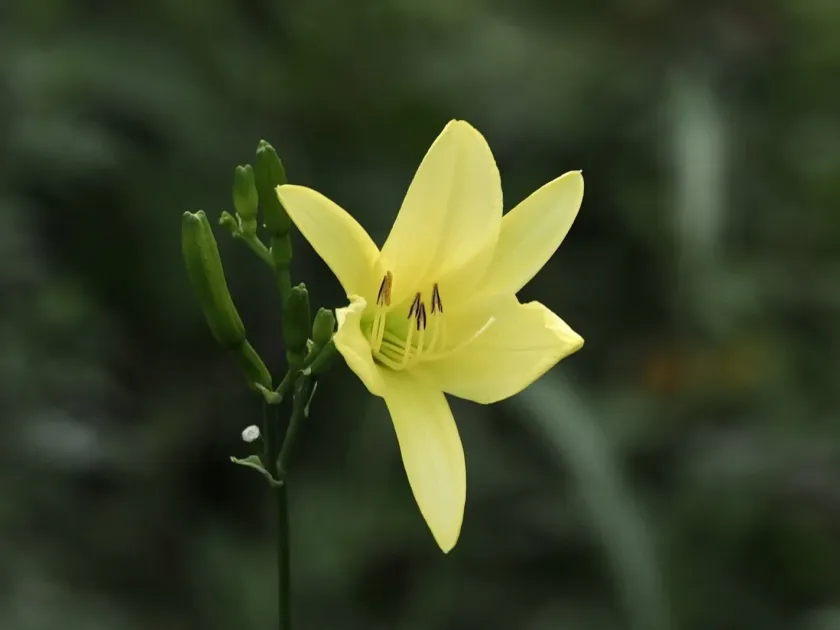
Description
Sowing dates
Propagation of the Lemon Daylily is most effectively achieved through division of the root clump. This method ensures that the new plants retain the specific characteristics of the parent, making it the preferred choice for commercial and home growers alike. The best time for this task is early spring or late autumn.
Seeds can be used for propagation, though it is a significantly slower process that requires a period of cold stratification to break dormancy. Seeds should be sown in a sterile, well-draining potting mix and kept in a cool, bright location until germination occurs.
When planting, it is crucial to ensure that the crown of the plant is positioned just at or slightly below the soil surface. Planting too deep can cause the plant to struggle, while planting too shallow may expose the roots to frost damage during winter.
Spacing requirements depend on the intended use; for garden borders, 60 centimeters between plants is sufficient, but for large-scale production, wider spacing is recommended to improve air circulation. This reduces the risk of fungal infections and allows for easier mechanical maintenance.
After planting, the root zone should be watered thoroughly to settle the soil around the roots. Adding a layer of organic mulch helps retain moisture and stabilizes the temperature of the soil, promoting faster establishment of the new root system.
Growing requirements
The Lemon Daylily, scientifically known as Hemerocallis citrina, is a member of the Asphodelaceae family. Native to East Asia, it has become a popular agricultural and ornamental crop due to its fragrant, trumpet-shaped flowers and resilient nature.
This crop thrives in full sun, where the intensity of the light maximizes flower production and enhances the perfume. While it is adaptable to partial shade, the best results in terms of yield and plant health are achieved with at least six hours of direct sunlight per day.
Regarding soil preferences, the plant requires fertile, well-draining ground. It is remarkably tolerant of different soil pH levels but performs optimally in slightly acidic to neutral soils. Heavy, waterlogged soils should be amended with organic matter to prevent root decay.
Water requirements are moderate, but the plant is sensitive to prolonged drought during its active growth phase. Consistent moisture is vital during the budding period, as it directly influences the size and quality of the flower harvest.
The plant is highly hardy and can withstand a wide range of temperatures. It requires very little winter protection in most temperate zones, as it enters a dormant phase during the cold months, storing energy in its thick, fleshy roots for the following season.
Yield
The culinary use of the Lemon Daylily is widespread in Asian cuisine, where the unopened flower buds are harvested and used in soups, stir-fries, and as decorative garnishes. These buds are prized for their unique, subtle flavor and nutritional content.
For high-quality production, growers focus on harvesting at the bud stage. A mature, healthy clump can be quite productive over a long season, provided that it receives adequate fertilization and moisture to support the repeated development of flower scapes.
Medicinally, the roots and flowers have been used for centuries in traditional practices. They contain compounds believed to possess sedative and diuretic properties, making the plant a dual-purpose crop for those interested in both food and wellness.
Ornamental yield is also significant, as the plant is a mainstay in sustainable landscape design. Its ability to thrive with minimal chemical intervention makes it a low-maintenance, high-reward option for ecological gardens and naturalized plantings.
Beekeepers often value the species for its nectar-rich flowers. By supporting pollinator populations, the Lemon Daylily contributes to the overall health of the agricultural ecosystem, fostering better yields for surrounding fruit and vegetable crops.
Main diseases and pests
Daylily rust is the most common disease, manifesting as small orange pustules on the leaves. Infected leaves should be removed immediately to prevent spores from spreading, especially in environments with high humidity and poor airflow.
The Daylily Gall Midge is a specialized pest that lays eggs in the developing flower buds, leading to deformed and stunted growth. Monitoring the garden during early spring is essential to catch and remove infested buds before the larvae drop into the soil.
Crown rot can occur if the plant is improperly positioned in poorly drained soil. If the roots remain constantly wet, the crown may begin to soften and decay. Maintaining soil structure and avoiding excessive watering are the primary preventative measures.
Aphids and thrips can occasionally infest the flower stalks, causing damage to the soft tissues. Using neem oil or gentle insecticidal soaps is usually effective in keeping pest populations below the economic threshold without damaging the flowers.
Slugs and snails are particularly problematic for young shoots in the spring. Implementing simple control methods like crushed eggshells or copper tape can effectively protect the plants during their most vulnerable growth stages.
Harvesting
Harvesting for culinary use should take place in the early morning while the buds are still tight and unopened. This is critical, as once the flowers begin to open, their flavor profile changes, and they become less suitable for storage and cooking.
The buds should be handled gently to avoid bruising, which leads to rapid oxidation and degradation of quality. After collection, they are typically sorted and then either air-dried or blanched to preserve their nutrients for long-term storage.
When harvesting the roots for medicinal purposes, this should be done in the late autumn after the foliage has died back. The roots should be carefully dug up, thoroughly washed, and dried in a cool, well-ventilated area to maintain their chemical potency.
Storage of the dried material must be in a cool, dark, and dry environment. Utilizing airtight containers or breathable paper bags ensures that the product remains free from humidity, preventing mold development and the loss of essential oils.
Good agricultural practice suggests an annual cleanup of the plant base after the harvest is complete. Removing the dead foliage and scapes minimizes the overwintering sites for pests and diseases, ensuring a cleaner start for the next growing cycle.