
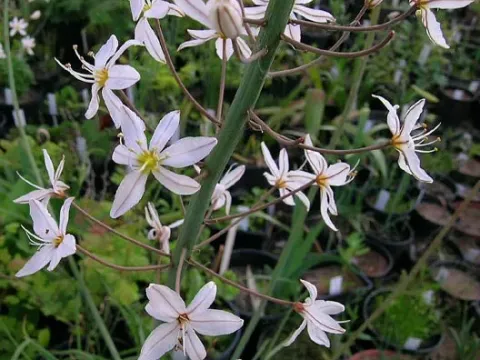
Eremurus chinensis
Eremurus chinensis
The planting of Eremurus chinensis is typically performed in late summer, specifically from late August to early September. This timing allows the fleshy root system to establish itself before the arrival of autumn rains and winter frost.
What the section contains
Eremurus chinensis
Propagation from seed is a long-term process, as it may take several years for seedlings to reach the flowering stage. Therefore, vegetative propagation through the division of mature root clumps is the standard practice in agricultural and decorative cultivation.
When dividing the root system, one must exercise extreme care due to the brittleness of the root tubers, often referred to as "fingers." Any mechanical injury to these structures provides entry points for pathogens and fungal infections.
The planting depth is crucial and should range between 5 to 10 centimeters, depending on the size of the root clump. If planted too shallowly, the plant risks winter damage, while excessive depth can inhibit spring growth and encourage rot.
Proper spacing, approximately 40 to 50 centimeters apart, is essential to ensure adequate airflow. Sufficient space prevents the humidity buildup that often triggers fungal outbreaks in the foliage of this perennial species.
Eremurus chinensis, a member of the Asphodelaceae family, thrives in full sun exposure. It requires an open location that receives maximum sunlight throughout the day to support the development of its massive, characteristic raceme inflorescences.
Soil drainage is the most critical factor for the survival of this species. It demands light, well-draining soil; in heavy or clay-rich environments, the incorporation of sand and gravel is mandatory to prevent root asphyxiation and rot.
The species prefers neutral to slightly alkaline soil conditions. Proper soil aeration is vital for the health of the fleshy root tubers, which are highly susceptible to damage if the soil remains constantly waterlogged or compacted.
Water management involves a strict cycle: moderate watering is necessary during the active spring growth phase, but the soil must be kept dry throughout the summer dormancy period to mimic the plant's native ecological conditions.
Nutrient application should focus on a balanced NPK ratio during the early growth stages, followed by potassium-rich fertilizers as the flower spikes begin to develop. This ensures high structural integrity and bloom longevity for the plant.
Fungal diseases, including rust and various forms of basal rot, constitute the primary threat to Eremurus chinensis. These conditions are typically exacerbated by improper site selection, particularly where drainage is inadequate or humidity is high.
Effective management of these threats includes the systematic removal of infected plant tissue and the application of appropriate fungicides. Maintaining high standards of orchard or garden hygiene is the most effective preventative measure.
Insect pests such as aphids and thrips frequently attack the developing flower buds and leaves. If left untreated, these pests significantly reduce the plant's aesthetic value and overall physiological vigor.
Soil-dwelling larvae, such as those of the cockchafer or wireworms, can cause substantial damage to the subterranean parts of the plant. Applying preventative soil insecticides can help protect the root structures from severe infestation.
Rodents, particularly during winter dormancy, can consume the fleshy roots if they are not adequately protected. Ensuring the soil surface is well-drained and using physical barriers can help mitigate these losses in susceptible areas.