
Dianella
Dianella hybrids
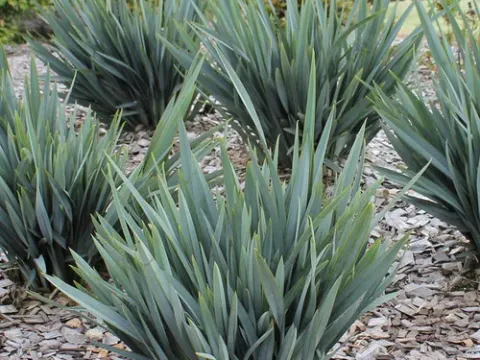
Dianella (Dianella hybrids) is a perennial herbaceous plant belonging to the Asphodelaceae family. Native to Australia and surrounding regions, it is a versatile evergreen plant known for its grass-like foliage and small, often blue-colored berries, which make it highly ornamental.
What the section contains
Dianella
The plant thrives in well-drained, sandy loam soils that offer good aeration. While Dianella is relatively drought-tolerant once established, it requires consistent moisture during its initial growth stages. The plant is adaptable to both full sun and partial shade environments, although foliage color can vary based on light intensity.
Agronomically, Dianella is suited for temperate climates. It is not cold-hardy in severe freezing conditions, necessitating protection or indoor overwintering in regions with harsh winters. A stable temperature range between 18°C and 25°C is ideal for promoting healthy leaf development and flowering.
Maintenance involves minimal intervention, provided the soil drainage is managed correctly. Overwatering is the most common cause of plant failure, leading to root system decay. Therefore, the topsoil should be allowed to dry out significantly between watering intervals to maintain plant vigor.
The commercial use of Dianella is primarily concentrated in the landscaping and ornamental nursery sectors. It is frequently employed in sustainable garden designs for erosion control on slopes, as a groundcover plant, or as a structural element in containers for architectural garden displays.
The primary threats to Dianella are related to fungal pathogens, particularly root rot, which occurs in poorly drained soils or over-saturated growing media. Ensuring a proper drainage layer in containers or improving soil structure in the field is essential for disease prevention.
Regarding pest issues, spider mites and scale insects can present challenges, especially in indoor environments where air circulation is limited and humidity levels fluctuate. Regular monitoring and the application of appropriate horticultural oils or systemic insecticides are recommended to keep the plants healthy.