
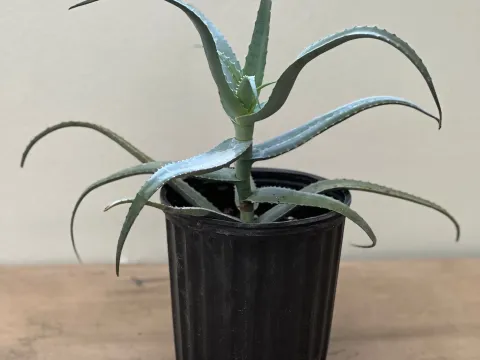
Aloe decaryi
Aloe decaryi
Aloe decaryi is a distinct succulent species belonging to the Asphodelaceae family. Originating from the diverse landscapes of Madagascar, this species is highly valued for its striking morphology and rarity in cultivation.
What the section contains
Aloe decaryi
The plant thrives under conditions that mimic its native arid environment. High light intensity is the primary requirement for successful development, as it promotes vigorous growth and helps maintain the natural color of the foliage.
Soil composition must be highly porous and well-draining. A typical cultivation medium includes a mixture of coarse sand, perlite, and a small amount of inorganic substrate to prevent moisture accumulation around the roots.
Temperature management is crucial throughout the annual cycle. During the growing season, the plant benefits from warm temperatures, whereas a cool, dry dormant period is essential during winter to encourage future blooming.
Watering practices must be disciplined. It is vital to allow the substrate to dry out completely between sessions to simulate natural drought periods, thereby preventing the onset of physiological disorders and rot.
The primary agricultural threat to Aloe decaryi is root rot, which is almost exclusively caused by overwatering or insufficient drainage in the growing container.
Mealybugs are the most common insect pests encountered in indoor or greenhouse cultivation. These pests thrive in hidden areas like leaf axils, draining sap and weakening the plant's structural integrity.
Spider mites can also cause significant damage if the ambient air remains too dry and stagnant for extended periods, leading to yellowing or speckling of the leaves.
Effective management requires consistent monitoring for early signs of infestation and the application of targeted systemic insecticides when biological controls are insufficient.
Maintaining proper air circulation is the most effective preventative measure against both fungal infections and various pest outbreaks, ensuring a robust and healthy crop.