
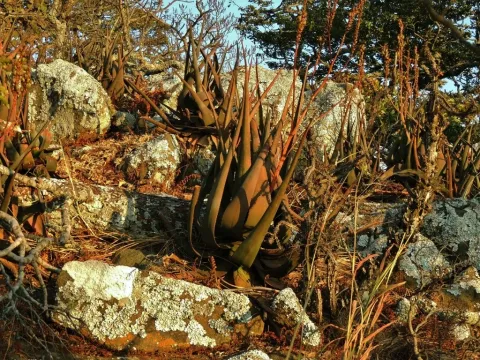
Aloe cryptopoda
Aloe cryptopoda
Aloe cryptopoda is a fascinating member of the Asphodelaceae family, naturally occurring in the rocky environments of East Africa, specifically in countries like Tanzania and Malawi.
What the section contains
Aloe cryptopoda
This succulent is characterized by its robust, fleshy leaves arranged in a tight rosette, which are adapted to store water during periods of extreme drought.
The plant requires a well-draining mineral-rich substrate, often composed of volcanic grit or coarse sand mixed with high-quality potting soil to ensure optimal root health.
It thrives in bright, direct sunlight, which is essential for maintaining the structural integrity of the leaves and promoting the development of its distinct reddish-orange flowers.
Temperature management is critical: the plant performs best in warm conditions but requires a distinct cooling period during the winter months to prepare for its reproductive phase.
Root rot is the most common threat to Aloe cryptopoda, typically caused by overwatering or the use of poorly draining soil mixtures that trap excess moisture.
Mealybugs are frequently observed on this species, often settling in the base of the leaves where they are difficult to reach with standard contact treatments.
Scale insects can also infest the leaves, forming brown protective shields that damage the epidermis and compromise the plant's overall health.
Fungal infections can develop if the leaves are left wet for extended periods, especially in environments with low airflow and high humidity levels.
Integrated pest management strategies, including careful monitoring and targeted use of organic pesticides, are highly recommended for healthy plant maintenance.