
Aloe delicatifolia
Aloe delicatifolia
Description
Growing requirements
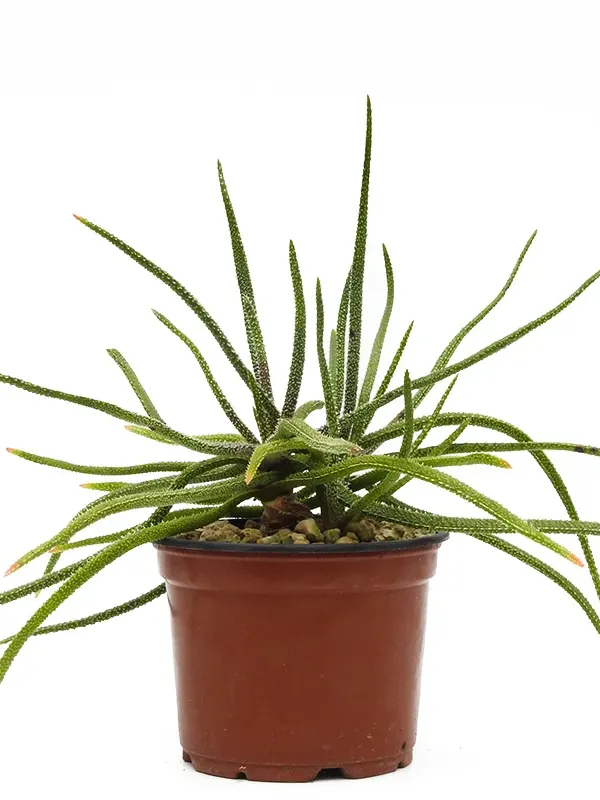
Aloe delicatifolia is a succulent species belonging to the Asphodelaceae family. It is recognized for its delicate foliage and compact growth habit, making it a unique botanical specimen for specialized cultivation.
The crop requires bright, indirect light to maintain its structural integrity. Insufficient light exposure will inevitably lead to etiolation, causing the leaves to lose their characteristic aesthetic features.
Soil requirements focus on high drainage capacity. An ideal growing medium consists of a mix of coarse sand, pumice, and a small percentage of organic matter to mimic the natural arid habitat of the species.
Temperature management is critical; the species thrives in warm climates, ideally between 20 and 28 degrees Celsius. During the dormant winter season, temperatures should be lowered to prevent excessive growth.
Watering must follow a strictly controlled schedule, ensuring the substrate dries out completely between waterings. Overwatering is the primary cause of crop failure in greenhouse conditions.
Main diseases and pests
The primary threats include fungal rot, which manifests when water remains trapped in the center of the rosette or within the root zone. Proper air circulation is mandatory to mitigate this risk.
Pests such as mealybugs and spider mites are frequent invaders. They prefer sheltered areas between the leaves, requiring persistent monitoring and timely application of specialized organic pesticides.
Root aphids can also compromise plant health by damaging the root system. Using sterile substrate during the initial planting phase is a recommended prophylactic practice for large-scale operations.
High humidity levels combined with low temperatures create an environment conducive to mold growth. Maintaining a dry environment is the best defense against various leaf spotting diseases.
Integrated pest management, including biological controls or targeted chemical intervention, should be employed to ensure the longevity and health of the crop in commercial settings.