
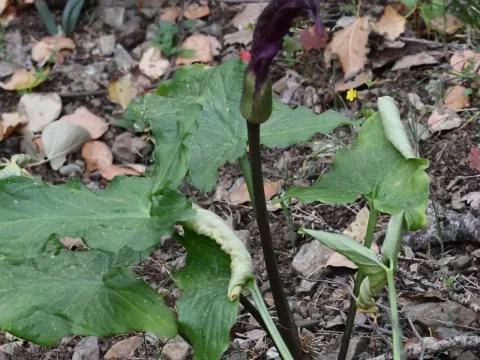
Arum rupicola
Arum rupicola
Sowing of Arum rupicola seeds is typically performed in the autumn, as the seeds require a period of cold stratification to germinate successfully in the spring.
What the section contains
Arum rupicola
It is recommended to sow seeds in a well-draining substrate composed of grit, sand, and organic loam to mimic the natural rocky soil conditions of its origin.
Vegetative propagation via tuber division is best undertaken during the dormant season, when the foliage has withered and the plant is in a state of rest.
Young seedlings require careful handling and consistent but light moisture levels during their first growing season to establish a healthy tuber system.
Patience is required when growing from seeds, as it may take several years for a young plant to reach maturity and produce its first characteristic inflorescence.
Arum rupicola belongs to the Araceae family and originates from rocky terrains, which necessitates excellent drainage to prevent tuber decay during the year.
The preferred soil type is neutral to slightly alkaline, characterized by high porosity and the absence of stagnant water, which is critical for healthy growth.
This species thrives in partially shaded environments, though it can tolerate sun exposure if atmospheric humidity levels are sufficiently managed during the season.
Climate adaptation involves protecting the tubers from deep freezing temperatures in winter, often through heavy mulching or container cultivation in colder zones.
A distinct dormancy period is essential; after the leaves die back, the soil should remain relatively dry to ensure the tuber stays firm and healthy until next spring.
Fungal pathogens, particularly those causing soft rot in tubers, are the primary threat, usually triggered by poor drainage or excessive irrigation during dormancy.
Slugs and snails are major pests that target new emerging foliage in the spring, which can significantly damage the plant's photosynthetic capacity if uncontrolled.
Aphids can occasionally infest flower stalks or leaves in crowded conditions, necessitating monitoring and, if required, the use of mild insecticidal soaps.
Good horticultural practice, such as removing debris and ensuring proper spacing between plants, is the most effective way to prevent pest and disease outbreaks.
If rot is detected on a tuber, immediate excision of the affected area followed by treatment with an appropriate fungicide is necessary to save the specimen.