
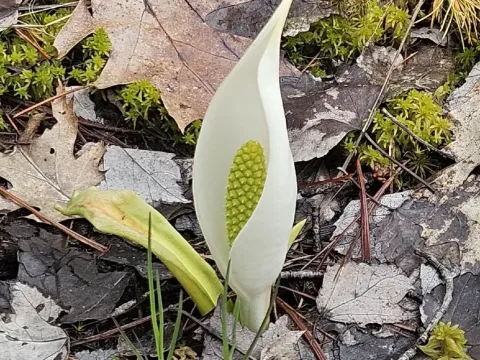
Calla palustris
Calla palustris
Propagation of Calla palustris in an agricultural or ornamental setting is primarily achieved through division of rhizomes, which ensures rapid establishment and clonal consistency.
What the section contains
Calla palustris
The optimal time for planting is during the spring season once the water and soil temperatures reach a sufficient level to stimulate the development of the root system.
If propagation from seeds is preferred, they should be sown immediately after maturation into a moist substrate, maintaining high humidity to facilitate successful germination.
It is crucial to provide adequate spacing between individual plants, typically 30 to 40 centimeters, to prevent resource competition and ensure robust growth of foliage.
Rhizomes should be planted into nutrient-rich containers or directly into the pond bed at a depth of approximately 15 to 20 centimeters, ensuring they are firmly anchored.
Calla palustris belongs to the Araceae family and acts as a specialized hydrophyte, requiring a permanent water supply for its roots to thrive and complete its life cycle.
The plant performs best in full sun to partial shade environments and is well-adapted to the variable temperature regimes found within temperate climatic zones.
The growing medium must be high in organic matter, featuring an acidic to slightly acidic pH, which effectively mimics its native habitat in wetlands and bogs.
Consistency is key in maintaining these plants; drying out of the root zone must be avoided at all costs, as it quickly leads to physiological stress and plant decline.
Regular monitoring of water quality is recommended to ensure that mineral salt concentrations remain within a range that does not inhibit the plant's health or vigor.
The economic value of Calla palustris is rooted in its aesthetic role, particularly in the landscaping of shallow water zones in both natural and artificial ponds.
Its vigorous growth rate makes it highly desirable for quick coverage of water surfaces, creating a lush, green aesthetic that is valued in professional garden design.
In environmental restoration projects, this culture is utilized for its capacity to biofilter water, absorbing excess nitrogen and phosphorus from the aquatic ecosystem.
Productivity is measured by the density of the coverage and the profusion of the characteristic white spathes, which indicate optimal nutrient and light conditions.
While not a primary crop for food or fiber, its biomass can be processed into organic compost, contributing to sustainable gardening practices when managed correctly.
Common pests affecting Calla palustris include aphids and spider mites, which can cause significant damage to leaves during periods of low humidity or drought stress.
Fungal infections, such as root rot or leaf spots, are frequently observed when water circulation is poor or when excessive dead organic matter accumulates nearby.
Mollusks such as snails may feed on the tender young shoots, leading to stunted growth and a reduction in the overall aesthetic appeal of the aquatic planting.
Preventative measures include the regular removal of decaying plant debris from the water and maintaining a balanced ecosystem to discourage pathogenic colonization.
The use of chemical treatments is highly discouraged in aquatic environments, favoring biological control agents or cultural practices to maintain plant health.
Harvesting for propagation purposes is ideally conducted at the end of the growing season when the plant's energy is stored within the rhizome for winter dormancy.
Rhizomes are carefully excavated, washed of silt, and sorted to ensure that only the most vigorous segments with healthy growth buds are selected for replanting.
For storage, it is essential to maintain high humidity and cool temperatures to prevent the rhizomes from dehydrating, which would compromise their future viability.
Seed harvesting involves gathering ripe berries, removing the pulp, and storing the seeds in a moist environment until the following planting season begins.
Workers should handle the plant with caution, utilizing gloves to protect against potential skin irritation caused by calcium oxalate crystals found within the plant tissues.