
Homalomena
Homalomena Schott
Homalomena, a genus within the Araceae family, encompasses perennial evergreen plants native to the tropical regions of Southeast Asia and parts of the Pacific. These plants thrive in humid, shaded forest floors where organic matter is abundant in the soil structure.
What the section contains

Homalomena
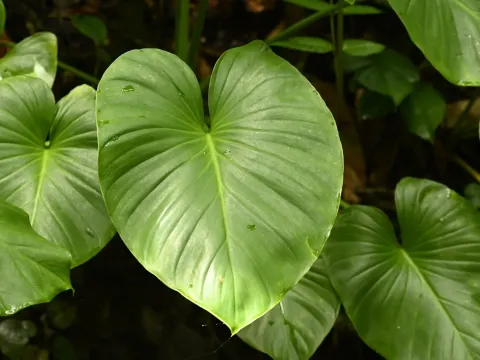
The botanical structure consists of a thick, fleshy rhizome and cordate or ovate leaves, often featuring a glossy or matte finish. The foliage is known for its ability to release a distinct, sometimes spicy aroma, which is a characteristic trait for several species within the genus.
Successful cultivation requires a stable ambient temperature between 20°C and 28°C. Being a tropical plant, Homalomena does not tolerate cold drafts or sudden fluctuations in temperature, which can lead to leaf senescence and metabolic dormancy.
The substrate must be highly porous and well-draining to prevent root asphyxiation. A professional growing mix should consist of peat-based components, perlite, and small amounts of charcoal to maintain a slightly acidic pH and prevent the buildup of anaerobic bacteria.
Irrigation practices must be calibrated to keep the soil consistently moist but never waterlogged. During periods of active growth, supplemental fertilization with a balanced nitrogen-phosphorus-potassium formula is recommended to maintain the decorative intensity of the leaves.
Pathogenic threats include various root rot diseases (such as Pythium and Phytophthora) that propagate in poorly drained soil. Agronomic management involves strict irrigation control and the use of preventative fungicides to protect the rhizome system.
Insect pests including spider mites and mealybugs represent the primary biological threats. Effective control strategies involve maintaining high humidity levels to discourage spider mite colonization and applying targeted horticultural oils or insecticides upon the first signs of infestation.