
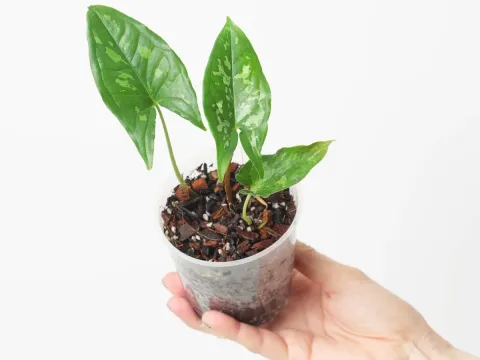
Hapaline
Hapaline
Hapaline is a genus of perennial herbaceous plants belonging to the Araceae family. These plants are native to the tropical forests of Southeast Asia, with a natural distribution spanning Myanmar, Southern China, and the Malay Archipelago.
What the section contains
Hapaline
For successful cultivation, Hapaline requires conditions that mimic its native tropical rainforest habitat. High air humidity, stable temperatures, and diffused light are essential, as direct sunlight often scorches the foliage and disrupts physiological processes.
The potting medium must be porous, nutrient-rich, and possess excellent drainage characteristics. A mixture of peat, leaf mold, coco coir, and perlite is ideal for maintaining the delicate balance between moisture retention and essential aeration for the roots.
Optimal growth occurs at temperatures ranging between +22 and +28 degrees Celsius. The crop is highly sensitive to cold drafts and sudden thermal fluctuations, which can lead to dormancy or plant tissue decay in sensitive varieties.
Hapaline is primarily utilized in botanical collections and high-end horticulture for its unique aesthetic value. Due to its specific growth requirements, it remains a specialty crop, rarely cultivated on a large industrial scale.
Fungal infections, typically triggered by waterlogged soil and poor ventilation, represent the primary threat to the health of Hapaline. Root and tuber rot can destroy the plant rapidly if moisture management is not strictly controlled.
Pests such as spider mites and mealybugs are major concerns, especially in environments where humidity levels fluctuate. These pests can cause significant leaf damage, weakening the plant's overall vigor and aesthetic appeal.
Management involves the careful application of systemic insecticides and miticides, alongside maintaining proper air circulation within the growing area. Keeping the environment clean and sterilized helps prevent recurring pest infestations.
Imbalanced fertilization protocols often manifest as chlorosis or stunted leaf development. A well-balanced liquid nutrient program designed for aroid species is recommended to support robust growth throughout the growing season.
Routine scouting for symptomatic tissue is critical. By identifying and removing infected parts early, growers can manage potential outbreaks effectively without resorting to excessive chemical applications, thus preserving the plant's delicate tissues.