
Littleleaf holly
Ilex microphylla
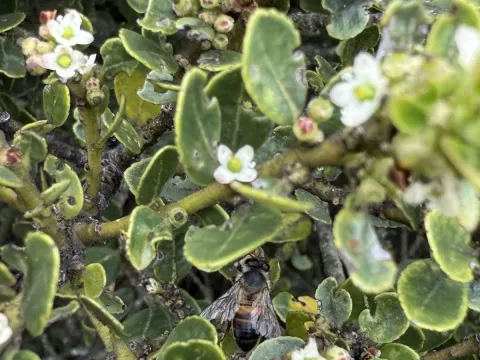
Littleleaf holly (Ilex microphylla) is a member of the Aquifoliaceae family. It is a highly appreciated evergreen shrub known for its dense, fine-textured foliage and compact growth habit, making it an excellent choice for various landscaping applications.
What the section contains
Littleleaf holly
The plant thrives in regions with moderate, temperate climates. It prefers locations that offer protection from harsh, drying winds and excessive exposure to direct midday sun, which can cause leaf burn during the peak of the summer season.
Regarding soil conditions, Ilex microphylla requires fertile, well-draining soil with a slightly acidic pH. Proper soil preparation is critical, as the roots are highly sensitive to waterlogging, which often leads to root rot if drainage is insufficient.
Maintenance involves routine watering during the establishment phase and throughout periods of drought. Mulching with organic matter is highly recommended to regulate soil moisture levels and maintain the optimal acidity levels necessary for the shrub's health.
In terms of хозяйственное использование (agricultural use), this species is primarily cultivated for ornamental purposes. Its ability to tolerate shearing makes it highly suitable for creating intricate topiaries, formal hedges, and container gardens.
The most common disease affecting Littleleaf holly is fungal leaf spot, which is typically triggered by high humidity and poor airflow. Managing the density of the shrub through selective pruning is the best cultural practice to prevent outbreaks.
Scale insects are major pests that often infest the stems and undersides of leaves. Because they are protected by a hard shell, using horticultural oils or systemic insecticides is necessary to effectively manage these populations during their vulnerable stages.
Spider mites can also be a significant issue in dry, arid climates. Regular monitoring and overhead spraying of the foliage can deter these pests, as they prefer dry environments and are less active when moisture levels are sufficient.
Root rot caused by Phytophthora is a serious threat if the soil is not properly drained. Ensuring the planting site is elevated and well-aerated is the primary preventative measure against this destructive pathogen.
Finally, nutritional imbalances may lead to chlorosis, manifesting as yellowing foliage. Regular soil testing allows for the precise application of iron chelates and balanced fertilizers to maintain the deep green color of the leaves.