
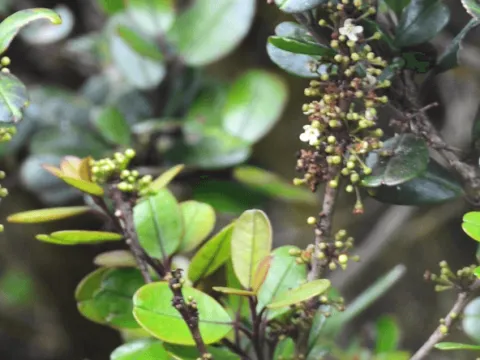
Ilex walkeri
Ilex walkeri
Ilex walkeri is a distinct species within the Aquifoliaceae family, native to the high-altitude regions of Sri Lanka. Known for its evergreen foliage and compact growth habit, this shrub thrives in specific montane environments that offer consistent moisture and cool temperatures.
What the section contains
Ilex walkeri
The climatic requirements for this species are strict. It prefers a temperate to subtropical highland climate with high ambient humidity. In cultivation, it is essential to mimic these conditions to avoid stress, which can manifest as leaf drop or arrested growth if the plant is exposed to excessive heat or dry winds.
Soil management is critical for the success of Ilex walkeri. It requires well-draining, acidic to neutral soil rich in organic matter. Compacted or heavy clay soils should be avoided or amended with organic compost to improve aeration, which is vital for maintaining a healthy root system.
Regarding light exposure, the plant performs best in filtered sunlight or partial shade. Exposure to intense afternoon sun can scorch the glossy leaves, leading to irreversible damage. Indoor or greenhouse cultivation requires careful monitoring of light levels to ensure the plant receives sufficient energy without overheating.
Agricultural practices for this shrub involve regular but moderate watering. The soil should remain consistently moist but never waterlogged. Fertilizer applications should be focused on acidic-loving plant formulas, applied during the active growth phase to support foliage development and overall plant vigor.
Fungal diseases, particularly Phytophthora root rot, are the most significant threats to Ilex walkeri. These pathogens thrive in poorly drained soils and often emerge when the plant is overwatered, necessitating a proactive approach to irrigation management and soil structure.
Scale insects are common pests that feed on the sap of the shrub. They often go unnoticed until their population becomes significant, causing the leaves to lose their natural luster and vigor. Manual removal or the use of horticultural oils is usually effective in early infestation stages.
Spider mites can become problematic in dry environments with low humidity. These microscopic pests feed on the undersides of leaves, resulting in stippling and eventual yellowing. Maintaining adequate humidity levels is the primary cultural practice to prevent mite outbreaks.
Leaf-feeding insects, including certain types of beetles, may occasionally attack the foliage. While usually not fatal, these infestations can significantly impact the ornamental quality of the plant, requiring targeted monitoring during the spring and summer months.
Regular sanitation, such as removing fallen leaves and debris, is essential for disease prevention. Ensuring good air circulation around the shrub's canopy reduces the risk of fungal proliferation and creates a less favorable environment for many common garden pests.