
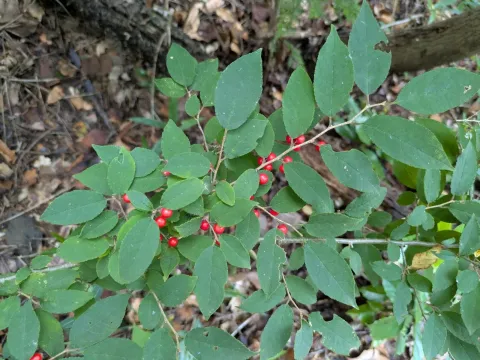
Japanese winterberry
Ilex serrata
The Japanese winterberry (Ilex serrata) is a deciduous shrub belonging to the Aquifoliaceae family, native to regions of Japan and China. It is highly regarded for its dense, upright habit and its magnificent display of small, brilliant red berries that persist throughout the winter months.
What the section contains
Japanese winterberry
This species requires well-drained, slightly acidic to neutral soil to thrive. While it can adapt to various light conditions, it performs best in full sun to partial shade, which encourages vigorous growth and higher fruit production throughout the year.
Cultural requirements involve maintaining consistent soil moisture, especially during the establishment phase and periods of extreme summer heat. Providing a thick layer of organic mulch around the base of the plant helps to conserve moisture and regulate soil temperature effectively.
Since Ilex serrata is a dioecious plant, planting both male and female specimens in close proximity is necessary for successful pollination and significant berry development. This biological trait is essential to consider for any gardener aiming to maximize the aesthetic winter appeal.
The plant demonstrates moderate cold hardiness but benefits from a sheltered location protected from harsh winter winds. In cooler climates, providing winter protection for young plants, such as burlap wrapping or extra mulch, is recommended to prevent frost damage to the branches.
Common fungal diseases such as leaf spot and powdery mildew can affect the plant if air circulation is inadequate. Maintaining proper spacing and pruning crowded interior branches helps to reduce humidity levels and mitigates the risks of these infections.
Pests, particularly scale insects, can pose a challenge by attaching themselves to the stems and foliage. Early identification and the use of horticultural oils or systemic insecticides are effective strategies to control these infestations before they spread across the shrub.
Root rot is a significant threat associated with poorly drained soils or excessive irrigation. Ensuring that the soil remains porous and well-aerated is critical to preventing the proliferation of pathogens that cause the decay of the root system and subsequent plant decline.
Spider mites are another common nuisance during hot and dry weather conditions, causing leaf discoloration and stippling. Regular monitoring and the application of water sprays or suitable miticides are essential for managing these populations and keeping the foliage healthy.
Chlorosis, caused by iron deficiency in high pH soils, can occur, leading to yellowing of the leaves. Remediation involves acidifying the soil with organic matter or specific fertilizers containing chelated iron to restore the plant's natural vibrant green color.