
Mountain holly
Ilex montana
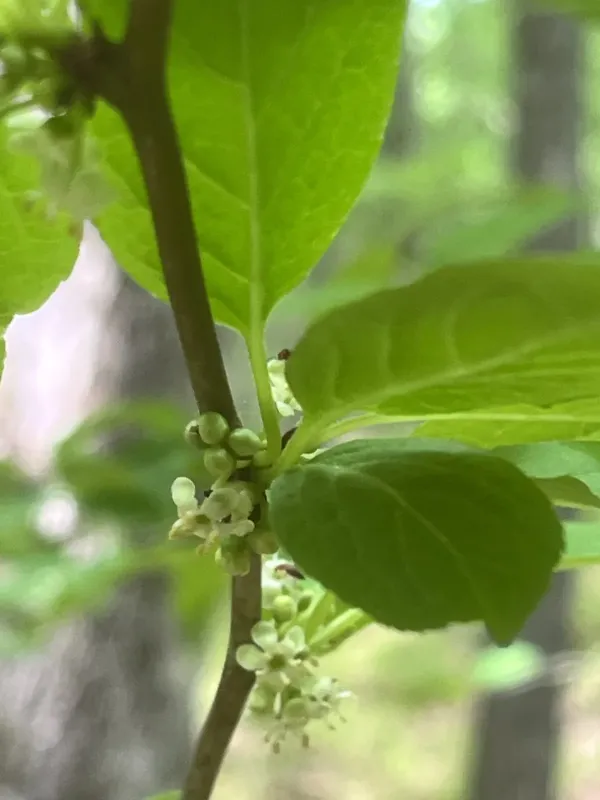
Description
Growing requirements
Mountain holly (Ilex montana) is a unique deciduous shrub or small tree belonging to the Aquifoliaceae family. Unlike many other holly species, it sheds its foliage annually, making it a distinctive choice for specific landscape applications.
Originating from the mountainous regions of the eastern United States, this species thrives in cool, moist forest environments. It is well-adapted to higher elevations and requires environments that mimic its natural woodland habitat.
To successfully cultivate this crop, soil must be acidic, rich in organic matter, and well-draining. Neutral or alkaline soils can lead to chlorosis, so maintaining the correct pH balance is essential for plant health.
Regarding climatic requirements, the plant prefers dappled shade or partial sun. Excessive heat can cause foliage stress, so selecting a site with protection from the harsh afternoon sun is highly recommended for optimal development.
In landscaping, it is valued for its vibrant red berries that persist into the winter after the leaves fall. This characteristic makes it a highly sought-after specimen for ornamental gardens, providing visual interest during the colder months.
Main diseases and pests
This species is generally resilient but can be susceptible to leaf spot diseases and powdery mildew if air circulation is insufficient or humidity is consistently too high.
Common pests include scale insects and aphids, which may settle on the undersides of leaves or along young stems. Maintaining good plant vigor through proper watering and periodic inspection is the best defense against infestation.