
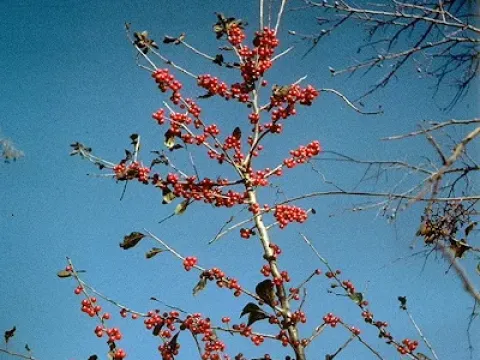
Large-fruited holly
Ilex macrocarpa
The large-fruited holly (Ilex macrocarpa) is a species belonging to the Aquifoliaceae family, natively found in the mountain forests of China. This woody plant is distinguished by its size and the botanical characteristics of its drupes, which make it a specimen of high interest.
What the section contains
Large-fruited holly
Cultivation requires well-drained, acidic to neutral soils rich in humus. The plant thrives in environments that provide consistent soil moisture, although it cannot tolerate waterlogging, which often leads to root suffocation and subsequent decay.
The species prefers a climate characterized by mild temperatures and high air humidity. In temperate zones, it is essential to select a sheltered planting site to protect the foliage from dry, cold winter winds that can cause severe dehydration.
Agronomic management includes maintaining a thick layer of organic mulch around the root zone. This practice simulates the forest floor, keeps the soil cool during summer, and minimizes evaporation, ensuring steady growth throughout the season.
Light pruning is recommended in early spring to shape the plant and remove any winter-damaged branches. Proper spacing is crucial to ensure adequate air circulation, which is a key factor in preventing the development of airborne fungal pathogens.
The main threat to Ilex macrocarpa is root rot, particularly in heavy or poorly drained soils. To prevent this, careful attention must be paid to the planting depth and the drainage capacity of the substrate prior to installation.
Scale insects represent a significant pest issue, attaching themselves to the stems and undersides of leaves. Their feeding activities can cause yellowing and premature leaf drop if the infestation is left unmanaged for an extended period.
Leaf spot diseases, caused by various fungi, may occur during wet and stagnant weather conditions. Applying copper-based fungicides as a preventative measure during spring can significantly reduce the incidence of these infections.
Spider mites may infest the plant during prolonged dry spells. Monitoring the undersides of leaves is vital, as early detection allows for effective control using horticultural oils or specialized miticides.
Proper plant nutrition plays a defensive role against pests; a balanced supply of essential micronutrients, especially iron and magnesium, helps the plant maintain a strong immune system capable of resisting environmental stressors.