
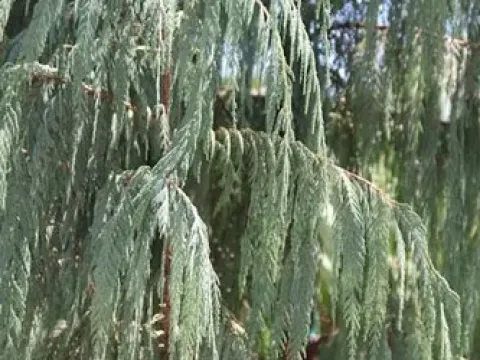
Himalayan cypress
Chamaecyparis himalaica
The Himalayan cypress (Chamaecyparis himalaica) is a distinguished member of the Cupressaceae family, known for its elegant habit and evergreen foliage. This species is native to the high-altitude regions of the Himalayas, where it has evolved to thrive in cool, humid environments.
What the section contains
Himalayan cypress
Botanically, it is defined by a dense, cone-shaped crown and needle-like leaves that provide significant ornamental value. In its natural range, it contributes to the structure of mountain forest ecosystems, showing strong resilience to mountainous terrain conditions.
For successful cultivation in a garden setting, it requires well-drained, nutrient-rich soil with a slightly acidic to neutral pH. Avoid waterlogged areas at all costs, as the root system is highly susceptible to rot when aeration is restricted by excess moisture.
Regarding climate, the plant prefers temperate conditions with consistent air humidity. While it can tolerate some sun, it is advisable to plant it in positions where it is protected from intense afternoon heat, which can desiccate the foliage and compromise the tree's health.
Agrotechnical maintenance should include periodic mulching to regulate soil temperature and moisture. Fertilization is recommended only during the active growing season, utilizing balanced granular fertilizers designed specifically for coniferous species to avoid nitrogen burn.
The plant is prone to fungal infections, particularly root rot, often caused by Phytophthora species thriving in poorly drained soils. Management strategies include improving soil drainage and applying preventative fungicides to keep the vascular system healthy.
In terms of pests, spider mites and scale insects are the primary concerns. These pests often colonize stressed plants during periods of drought. Maintaining tree vigor through consistent watering and using horticultural oils or systemic insecticides provides effective control.