
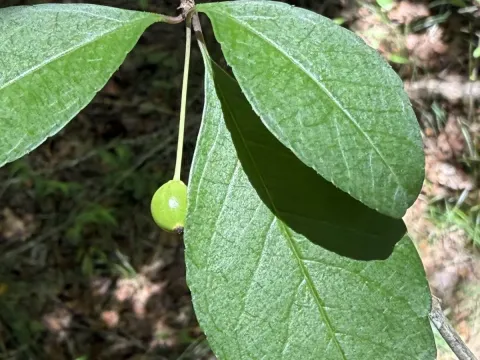
Longstalk holly
Ilex longipes
Longstalk holly (Ilex longipes) is a distinctive deciduous shrub or small tree belonging to the Aquifoliaceae family. Unlike the more common evergreen species within the genus Ilex, this plant undergoes a natural leaf drop, offering a unique aesthetic throughout the changing seasons.
What the section contains
Longstalk holly
Native to the southeastern regions of North America, this species is typically found in shaded forest understories. When cultivated in landscapes, it thrives best in partial shade conditions, requiring protection from harsh direct afternoon sun and intense, drying wind gusts.
In terms of soil requirements, Ilex longipes prefers deep, well-draining soils with a slightly acidic pH. Incorporating organic matter, such as compost or peat, can significantly improve soil structure and water retention, which is critical for healthy root development during the establishment phase.
The agrotechnical management of this culture involves regular monitoring of soil moisture, especially during the peak growing season. While the plant is relatively hardy once established, providing a layer of mulch around the base helps maintain consistent soil temperatures and conserves essential moisture.
The primary utility of the Longstalk holly is ornamental. It is highly valued in horticulture for its elegant growth habit and the visual interest provided by its foliage and fruit. It is often utilized in woodland-style gardens or as a specimen plant where its structural beauty can be fully appreciated.
The most common pests affecting this shrub include scale insects and aphids, which may cluster on the undersides of leaves or along young stems. Maintaining plant vigor through proper watering and nutrition is the first line of defense, though targeted use of horticultural oils can be effective against heavy infestations.
Fungal diseases, such as leaf spot, are often associated with poor air circulation or extended periods of high humidity. To mitigate these risks, it is essential to ensure adequate spacing between plants and to perform routine pruning to remove dead or diseased wood and improve airflow within the canopy.