
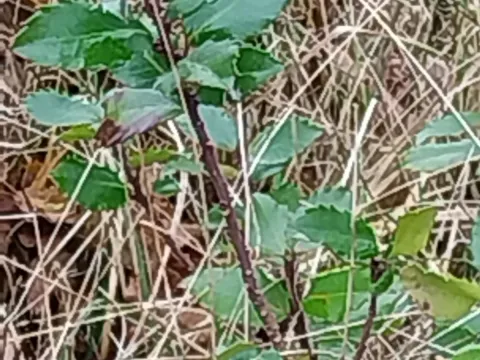
Nemopanthus
Nemopanthus
Nemopanthus is a genus of deciduous shrubs within the Aquifoliaceae family. The most prominent species, Nemopanthus mucronatus, is native to the diverse woodland environments of North America.
What the section contains

Nemopanthus
The plant thrives in acidic, moist soils rich in organic matter. In landscaping, it is often utilized for its ability to tolerate damp sites where many other ornamental shrubs would struggle to survive.
Botanically, it features simple, alternate leaves and small flowers that develop into attractive, berry-like drupes. The foliage exhibits a pleasant texture, often turning shades of yellow in the autumn months.
It requires a cool, temperate climate to flourish. Planting in partial shade is highly recommended to protect the foliage from leaf scorch, especially in regions with intense summer sun exposure.
Maintenance involves providing consistent moisture and a layer of organic mulch around the root zone. Minimal pruning is required, usually limited to removing dead wood or shaping the shrub for aesthetic appeal.
Generally, Nemopanthus is a robust plant with few serious health issues. However, poor soil drainage is the primary cause of decline, leading to root rot and other fungal-related complications.
Leaf spots may occasionally appear if the air circulation is inadequate or if the shrub is planted too densely. Improving the spacing between plants typically resolves these minor issues without chemical intervention.
Sucking pests like aphids may colonize new spring growth. In most garden environments, natural predators such as ladybugs manage these populations effectively, maintaining an ecological balance.
Severe drought conditions can stress the plant, making it more susceptible to opportunistic pathogens. A consistent watering schedule during dry spells is essential for maintaining the shrub's natural resistance.
If fungal disease is suspected, cultural control such as sanitation—removing and disposing of infected plant material—is the preferred first step before considering any form of treatment.