
Long-stalk holly
Ilex macropoda
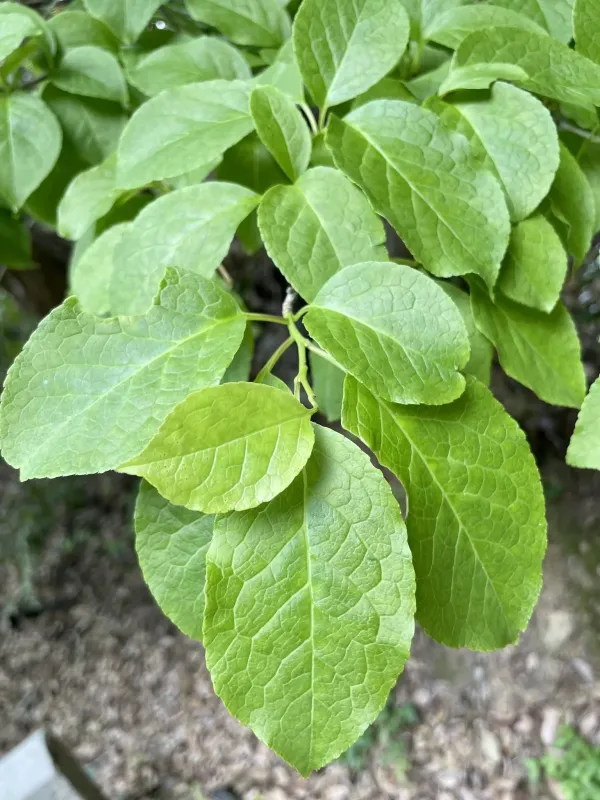
Description
Growing requirements
Long-stalk holly (Ilex macropoda) is a deciduous shrub or small tree belonging to the Aquifoliaceae family. Native to East Asia, including regions of Japan, China, and Korea, this species naturally inhabits woodland environments, thriving in conditions characterized by high humidity and dappled shade.
The plant is noted for its slow growth rate, a factor that requires long-term planning for landscape integration. Botanically, the species is distinguished by its elongated pedicels—from which its name is derived—and tough, leather-like leaves that transition into vibrant hues during the autumn season, enhancing its horticultural value.
Cultivation requires specific soil conditions to ensure successful establishment. The species performs optimally in well-drained, slightly acidic, and fertile loams rich in organic matter. Stagnant water in the root zone is detrimental to the plant's health; therefore, proper soil preparation and drainage systems are essential on clay-heavy sites.
Regarding climate adaptation, Ilex macropoda exhibits moderate frost tolerance. Agronomists recommend placing the plants in locations sheltered from desiccating winds and excessive direct solar radiation, which can lead to leaf scorch and soil surface drying, particularly in younger specimens.
The primary economic and horticultural use of the long-stalk holly lies in professional landscaping and ornamental gardening. Due to its balanced architectural form and attractive fruit set, it is frequently employed as a focal point in gardens or as part of structured shrub borders in favorable climates.
Main diseases and pests
The primary threats to this culture are fungal infections, which often occur due to poor air circulation or over-saturation of the soil. Common pests include scale insects and aphids, which feed on young, succulent shoots and can significantly reduce the vitality of the plant if not managed properly.